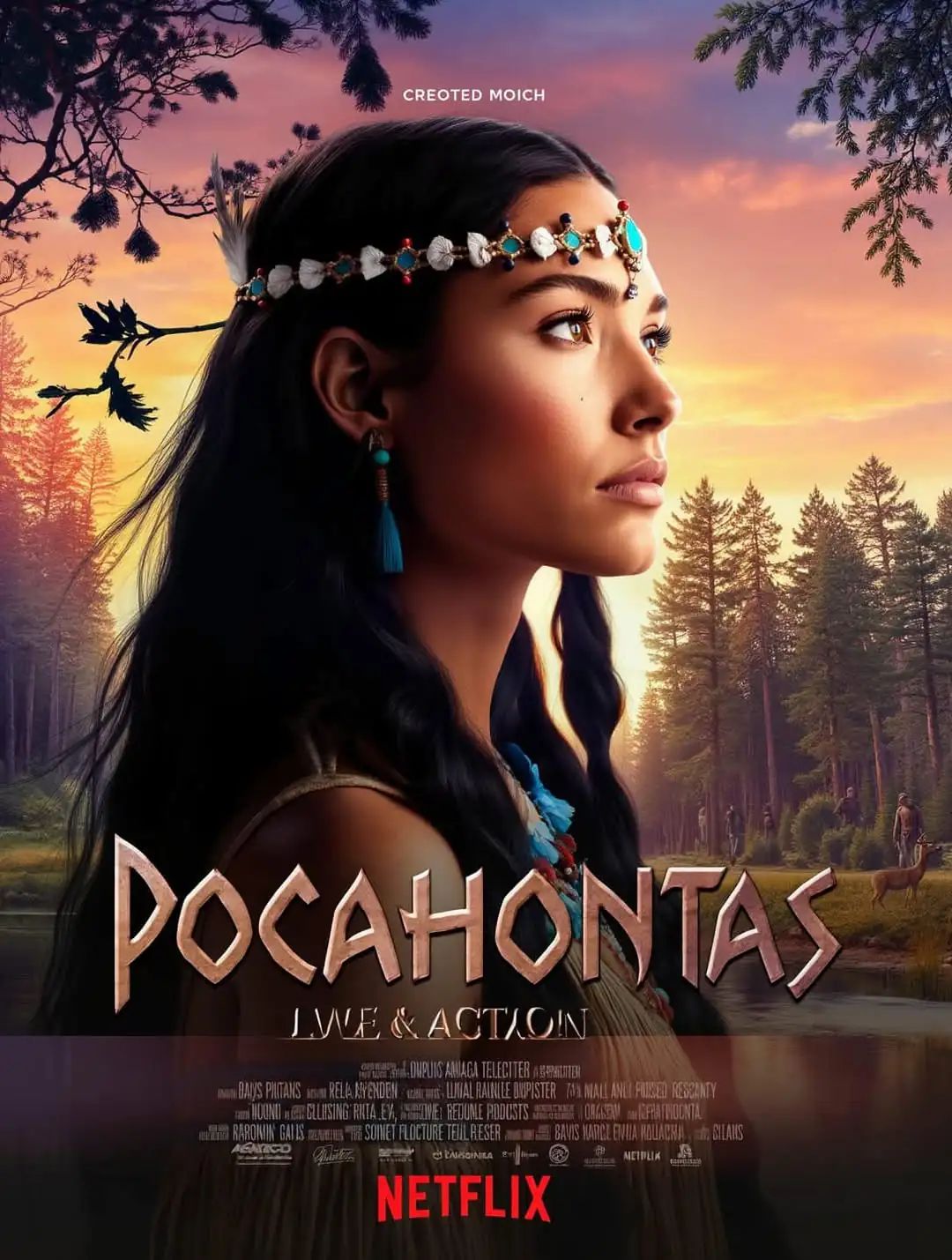
Pocahontas was a real historical figure, the daughter of Chief Powhatan, leader of a powerful Native confederacy in what is now Virginia in the early 17th century. Her life became widely known through English colonial accounts, particularly those connected to Captain John Smith. However, modern historians agree that much of what became popular legend was heavily romanticized and often inaccurate.
In reality, Pocahontas—whose private name was Matoaka—was likely around 10 to 12 years old when she encountered the English settlers, not a grown woman involved in a romantic relationship with John Smith. Later, she was captured by the English, converted to Christianity, married tobacco planter John Rolfe, and was taken to England, where she died at about age 21. These facts differ sharply from most film portrayals.
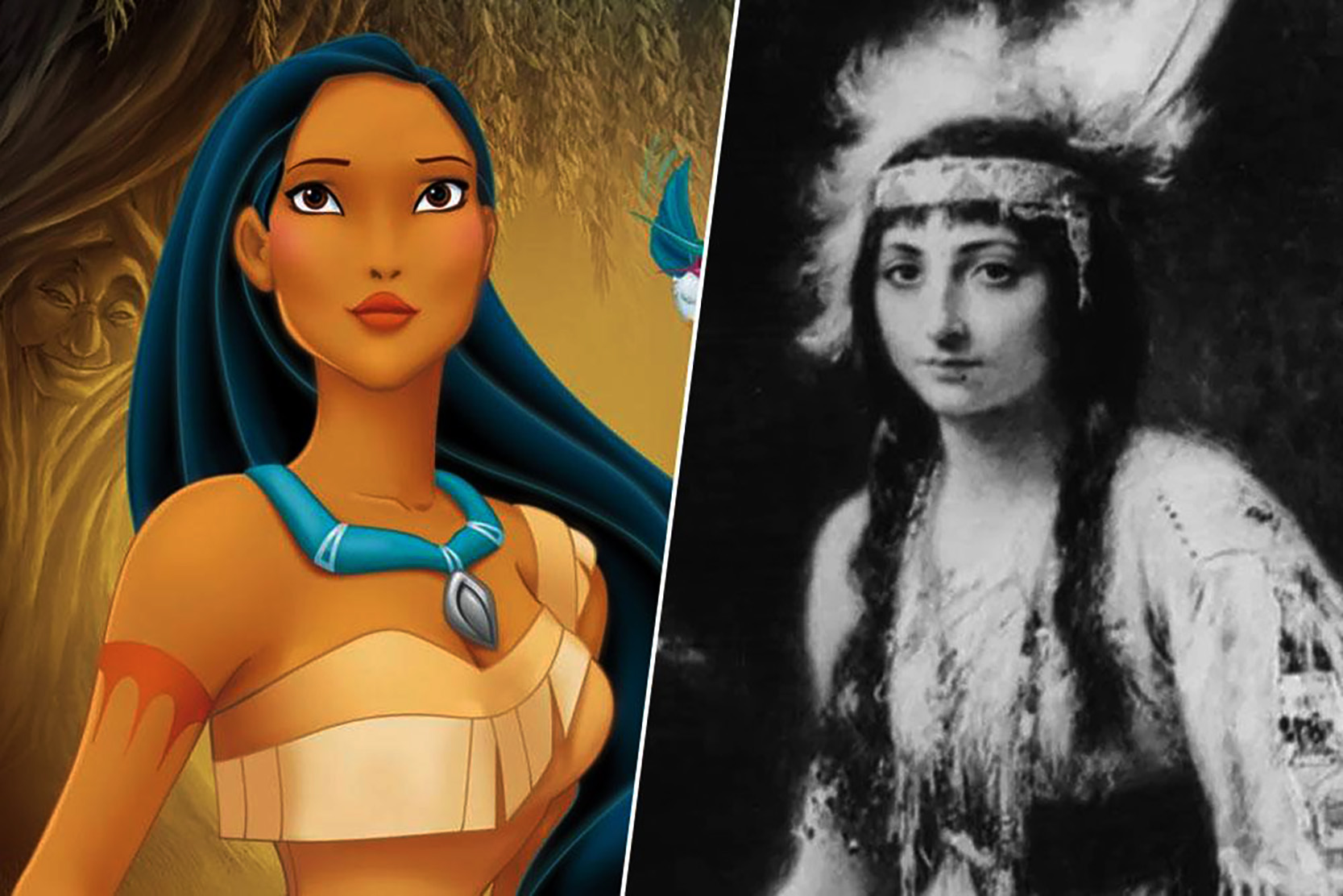
How Film and Television Have Told Her Story
Pocahontas (1995) — Disney’s Animated Classic
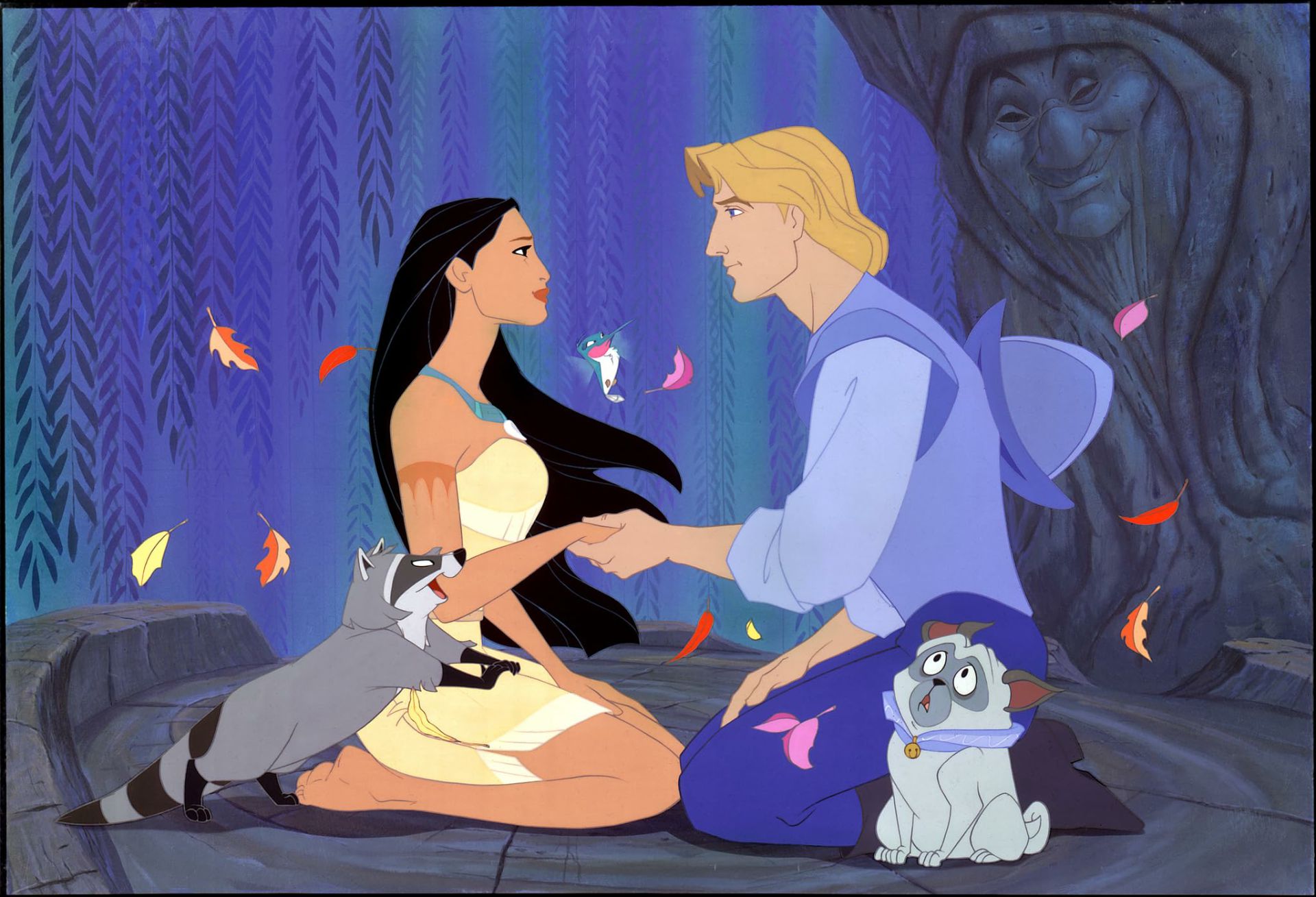
The most famous screen version of the story is Disney’s animated musical “Pocahontas” (1995). The film reimagines Pocahontas as a strong, independent young woman who falls in love with John Smith and ultimately prevents war between settlers and her people through compassion and courage.
The film was praised for its music and visual beauty, with the song “Colors of the Wind” winning the Academy Award for Best Original Song. At the same time, it has been widely criticized for romanticizing colonial history and simplifying the violence and power imbalance between Europeans and Native Americans.
Despite these controversies, the movie remains one of Disney’s most culturally influential films of the 1990s.
Other Film Interpretations
Long before and after Disney’s version, filmmakers have repeatedly returned to the Pocahontas story:
-
Pocahontas (1910) — a silent short film presenting a highly dramatized version of her rescue of John Smith and later marriage.
-
Pocahontas: The Legend (1995) — a live-action Canadian film released the same year as Disney’s animated version, also taking major historical liberties.
-
The New World (2005), directed by Terrence Malick — a more serious and visually poetic historical drama starring Q’orianka Kilcher as Pocahontas, focusing on cultural conflict and colonial consequences rather than fairy-tale romance.
Among these, The New World is often considered the most respectful and historically grounded portrayal, though it is still not a documentary record.
Is There a Live-Action “Pocahontas (2026)” in Development?
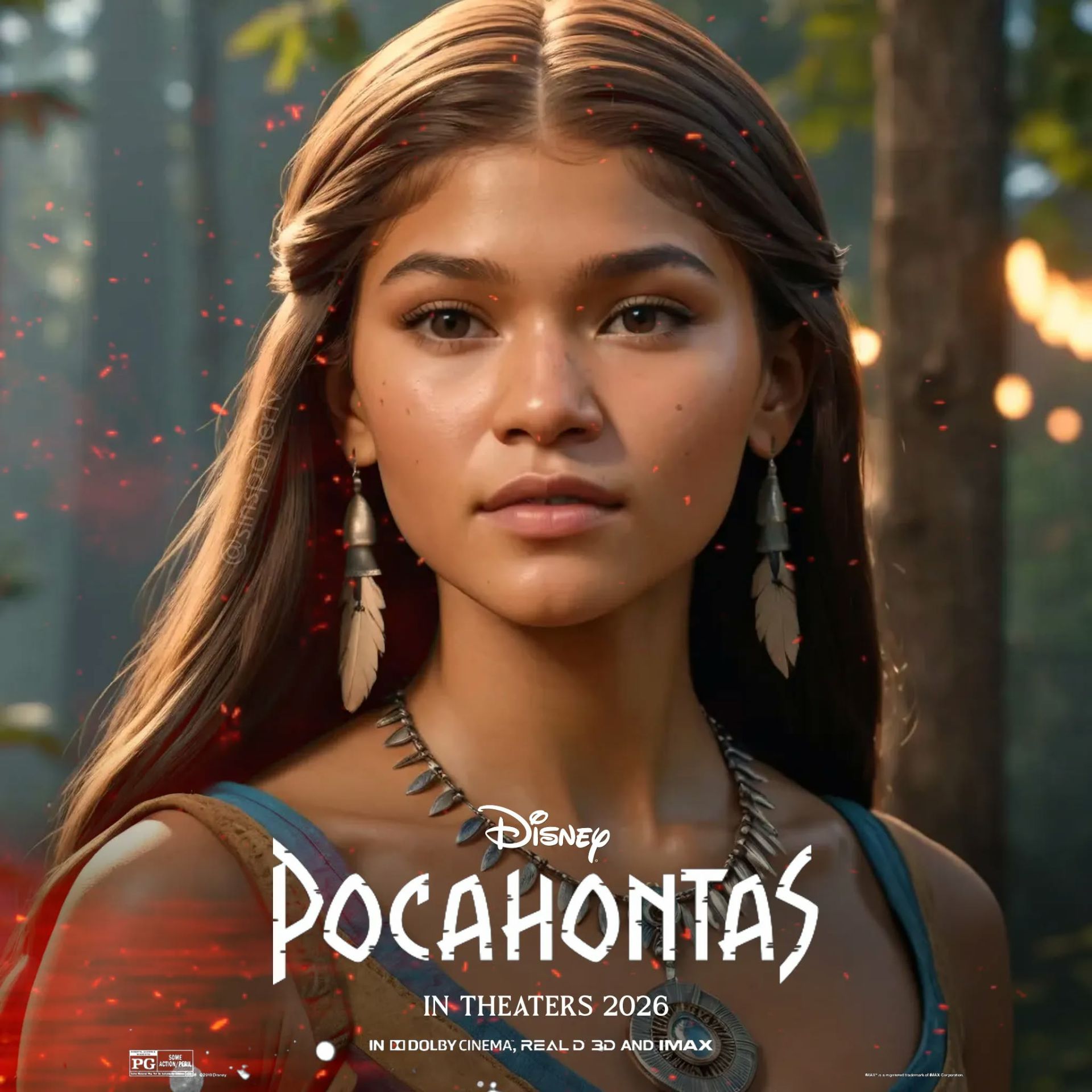
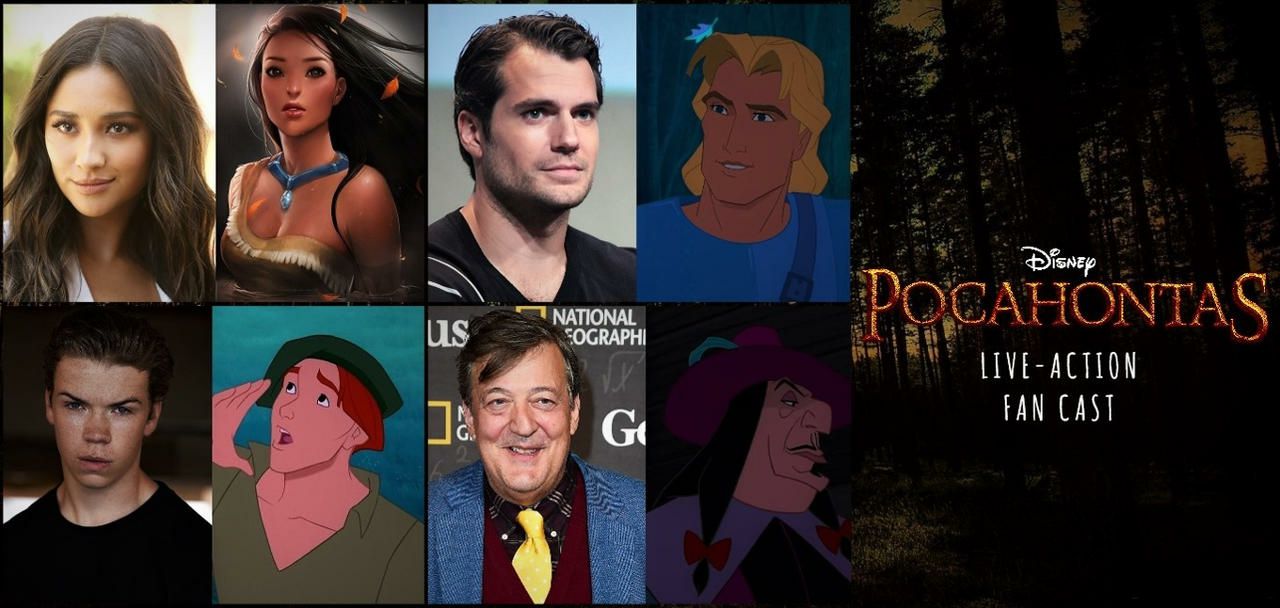
Despite widespread social-media posts, trailers, and cast rumors, there is currently no officially announced live-action “Pocahontas” film scheduled for 2026, and no confirmation from Disney or any major studio that such a project is in production.
Claims that actors such as Devery Jacobs, Irene Bedard, or Graham Greene are starring in a 2026 remake appear to come from:
-
Fan casting articles
-
Concept trailers made with edited footage
-
Speculative blog posts and AI-generated posters
Irene Bedard, notably, was the voice of Pocahontas in the 1995 animated film, but she has not been announced as part of any upcoming remake.
Why Disney Has Not Remade Pocahontas in Live Action
Disney has adapted many animated classics into live-action films, but Pocahontas stands apart for several reasons:
-
The story is based on real historical people, not fairy tales.
-
The original film has been criticized for distorting Indigenous history and colonial violence.
-
Modern audiences and Native communities have raised concerns about cultural representation and historical responsibility.
Because of these issues, Pocahontas is often mentioned among Disney titles that are least likely to receive a live-action remake, at least in the near future.
Conclusion: A Story That Still Provokes Debate
Pocahontas remains a powerful and complicated figure—both as a historical person and as a cultural symbol shaped by centuries of storytelling. While cinema has repeatedly retold her life in romantic and dramatic ways, no officially confirmed live-action remake is currently planned for 2026.
For now, the character exists primarily through past films—especially Disney’s animated classic and Terrence Malick’s The New World—while the real story of Matoaka continues to be studied, discussed, and reassessed by historians and Indigenous voices seeking a more truthful narrative.