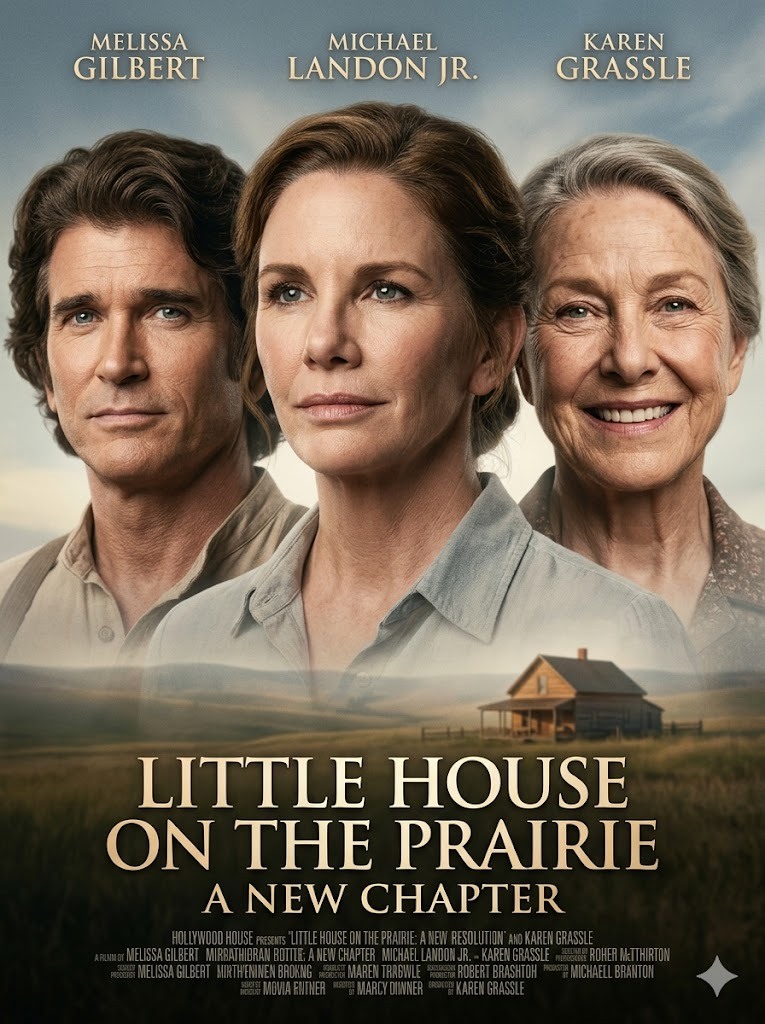
In a television landscape filled with fast conclusions and predictable arcs, Little House on the Prairie (2026) chooses a different path. Instead of rushing toward a dramatic ending, it builds its story with patience and emotional precision.
Because of this approach, the ending of Season 1 is not just a conclusion. It is a reflection of everything the characters have endured. At the same time, it opens the door to deeper questions, hidden meanings, and a powerful continuation in Season 2.
This is where the series becomes more than a historical drama. It becomes a story about change, identity, and the cost of survival.
A Realistic Ending — Not a Perfect One
Unlike traditional shows, this series does not aim for a perfect resolution. Instead, it focuses on emotional truth.
By the final episode, the Ingalls family has faced continuous hardship. They have struggled with nature, financial pressure, and difficult decisions. As a result, the ending feels grounded rather than idealized.
The family may achieve a temporary sense of stability. However, that stability remains fragile.
For example, the land might finally produce a successful harvest. At the same time, new challenges begin to appear. Economic uncertainty, social tension, or environmental risks continue to exist.
Because of this, the ending does not feel like closure. Instead, it feels like a pause between struggles.
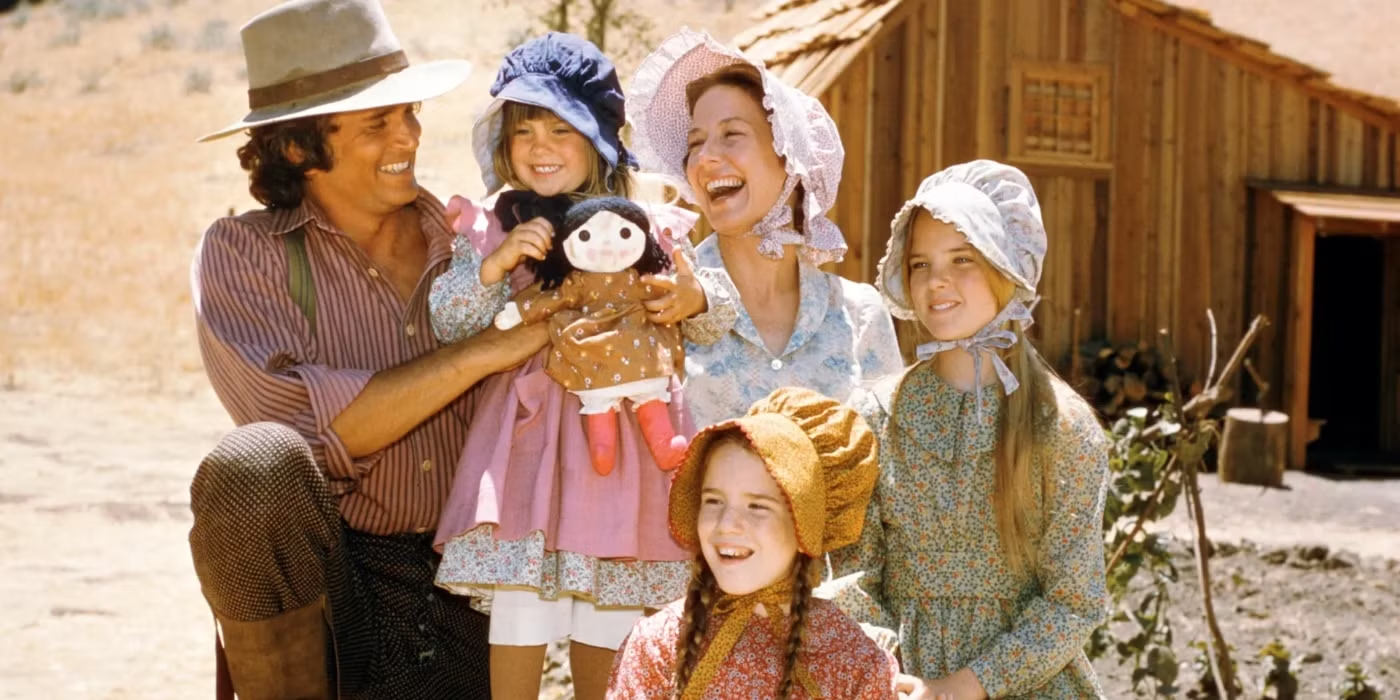
Laura’s Transformation — The Core of the Ending
Laura’s journey plays a central role in how the season concludes.
At the beginning, she sees the prairie as a place of wonder. By the end, her perspective changes completely.
She understands risk.
She recognizes fear.
She begins to see the limits of control.
This shift does not remove hope from her character. Instead, it reshapes it. Hope becomes something more realistic, built on awareness rather than innocence.
Therefore, the ending reflects her growth. It shows that maturity often comes through difficult experiences.
The Meaning Behind the Prairie
Throughout the series, the prairie represents more than a physical setting. It carries symbolic meaning that evolves over time.
At first, it stands for opportunity. The open land suggests freedom and possibility. However, as the story progresses, that meaning becomes more complex.
The prairie begins to represent uncertainty.
It offers space, but it also demands strength. It provides resources, but it can take them away without warning. This dual nature reflects the reality of frontier life.
By the end of the season, viewers understand that the prairie is not simply a place to live. It is a force that shapes every decision the characters make.
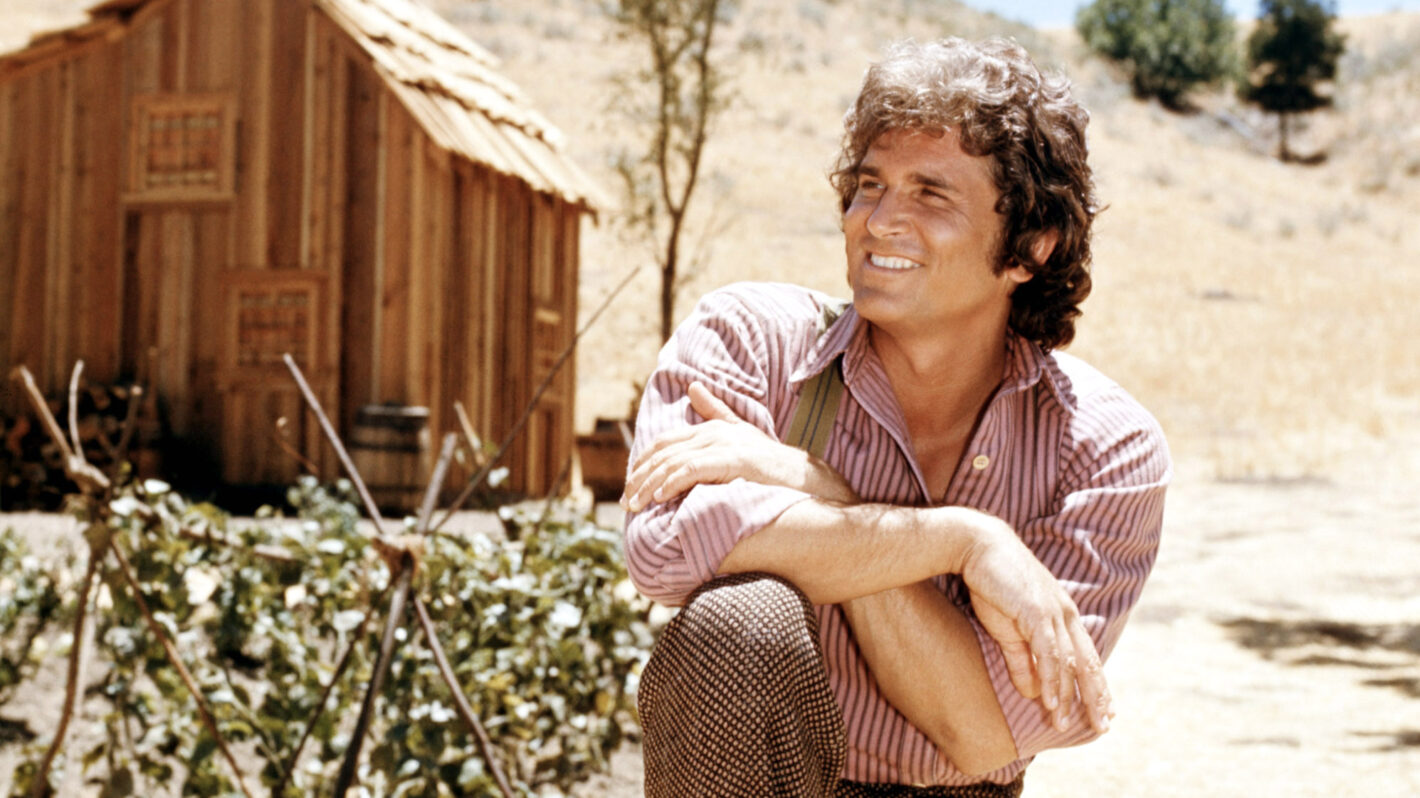
Subtle Symbolism in Key Moments
The series uses small details to deliver deeper meaning.
For example, changes in weather often mirror emotional states. A sudden storm can reflect internal conflict. A quiet sunrise can suggest temporary peace.
In addition, the home itself becomes a symbol. The house the family builds represents effort, unity, and hope. However, its vulnerability also reminds viewers that nothing is permanent.
Because of these details, the story communicates more than what is shown directly. It invites viewers to interpret meaning rather than simply observe events.
Community Shifts — A Setup for Season 2
As the season progresses, the community begins to change.
New families arrive. Others leave. Relationships evolve under pressure. These shifts create a sense of instability that becomes more visible toward the end.
Although some conflicts are resolved, many remain open. Trust between neighbors may improve in certain moments, yet tension still exists beneath the surface.
This unfinished dynamic sets up future storylines.
Season 2 can explore how the community adapts to continued challenges. It can also examine how individual choices affect the group as a whole.
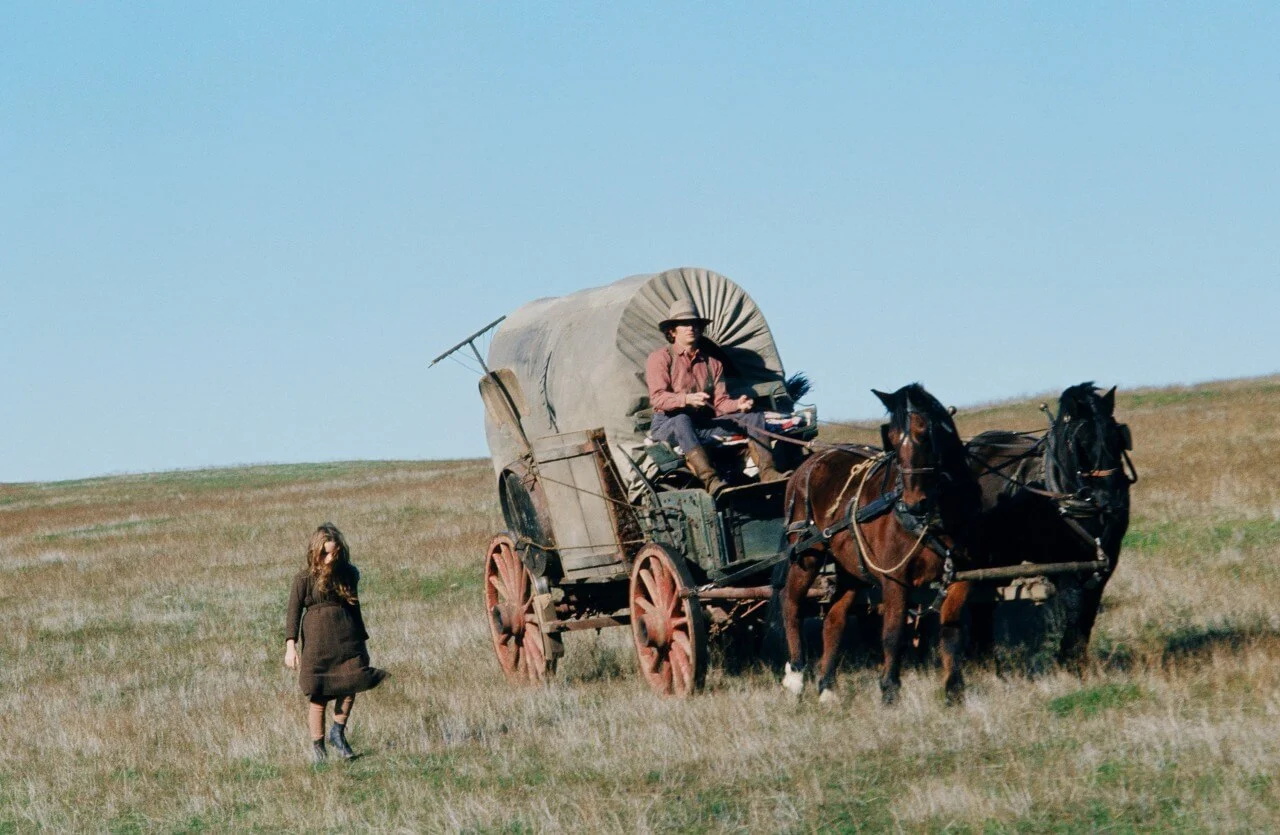
What Season 2 Could Explore
Based on the direction of Season 1, several key themes may develop further.
1. Economic Pressure and Survival
As resources become more limited, financial struggles may increase. Families could face difficult choices about land, work, and long-term survival.
This direction would deepen the realism of the story while raising the stakes.
2. Social Conflict
Tension between different groups may grow. Changes in population and external influences could create new challenges for the community.
Because of this, relationships may become more complex and less predictable.
3. Laura’s Identity
Laura’s development is far from complete. In Season 2, she may begin to question her place in the world.
Should she follow the same path as her family?
Or should she seek something different?
This internal conflict could become one of the most compelling elements of the series.
4. The Cost of Progress
As the world changes, new opportunities may appear. However, these opportunities often come with consequences.
The series could explore how progress affects traditional values, family structures, and personal identity.
Why This Ending Works
The strength of the Season 1 ending lies in its balance.
It provides emotional satisfaction while leaving important questions unanswered. It shows growth without suggesting that the journey is complete.
Because of this, viewers feel both closure and anticipation.
They understand what the characters have achieved. At the same time, they recognize that greater challenges lie ahead.
This combination encourages continued engagement and builds strong interest in the next season.
A Story That Continues Beyond the Screen
One of the most powerful aspects of Little House on the Prairie (2026) is its ability to stay with the audience.
After the final episode, viewers continue to think about the characters. They reflect on the decisions made and the struggles faced.
This lasting impact comes from the series’ focus on realism and emotional depth.
It does not rely on dramatic twists. Instead, it builds meaning through experience and connection.
Final Thoughts
The ending of Season 1 is not about resolution. It is about transformation.
The characters do not reach a perfect destination. Instead, they move forward with greater understanding.
The prairie remains uncertain.
The future remains unclear.
But the journey continues.
And perhaps that is the true message of the series.
Life does not offer clean endings.
It offers moments of change.
Little House on the Prairie (2026) captures those moments with honesty, making its story feel both timeless and deeply relevant.