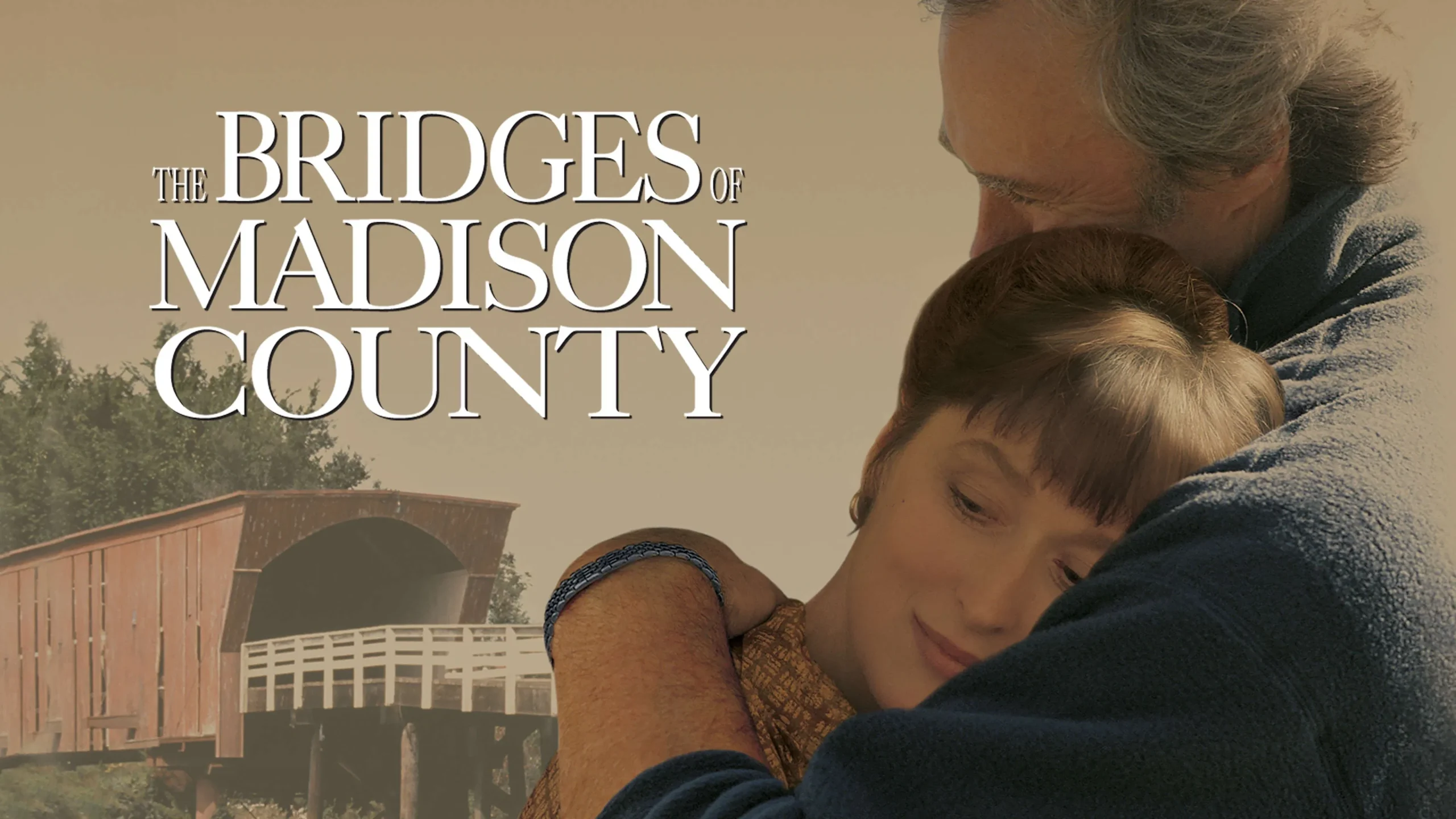
Why This Love Story Speaks Louder With Age
A Sequel That Chooses Stillness
Many love stories move fast. They chase excitement. They rush toward emotion.
However, The Bridges of Madison County 2 (2026) chooses a different rhythm.
From the opening scene, the film slows down. Instead of pushing the story forward, it allows moments to breathe. Because of this choice, the sequel feels calm rather than dramatic.
At the same time, this calm never feels empty. Each pause carries meaning. Each quiet moment invites reflection.
Rather than chasing romance, the film focuses on understanding. As a result, the story feels more honest and deeply human.

Age as a New Way of Seeing Love
As time passes, the film places age at the center of its emotional journey. Francesca and Robert no longer act from impulse. Instead, they act from experience.
Meryl Streep and Clint Eastwood portray characters who have lived full lives. Their performances avoid exaggeration. Their emotions stay controlled and sincere.
Because of age, love no longer demands action. It asks for clarity.
In many ways, this shift defines the sequel. Younger love wants certainty. Older love accepts complexity.
For that reason, the film feels grounded. It speaks to viewers who understand that love does not always arrive at the right time.
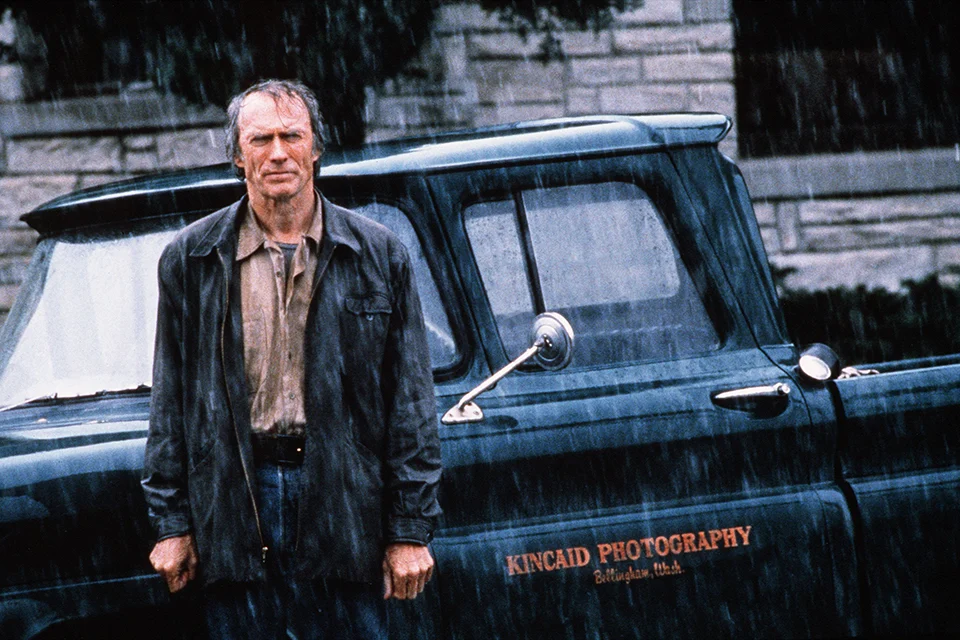
Love Without Rescue or Illusion
Many sequels try to fix the pain of the original story. This film refuses to do that.
There is no rescue. No one changes the past. No promise suggests a new beginning.
Instead, the film honors reality. Francesca built a life shaped by responsibility. Robert built a life shaped by freedom. Both paths mattered.
However, both paths carried cost.
Because the film accepts this truth, it avoids fantasy. Love appears not as destiny, but as influence.
As a result, the story feels honest rather than idealized.
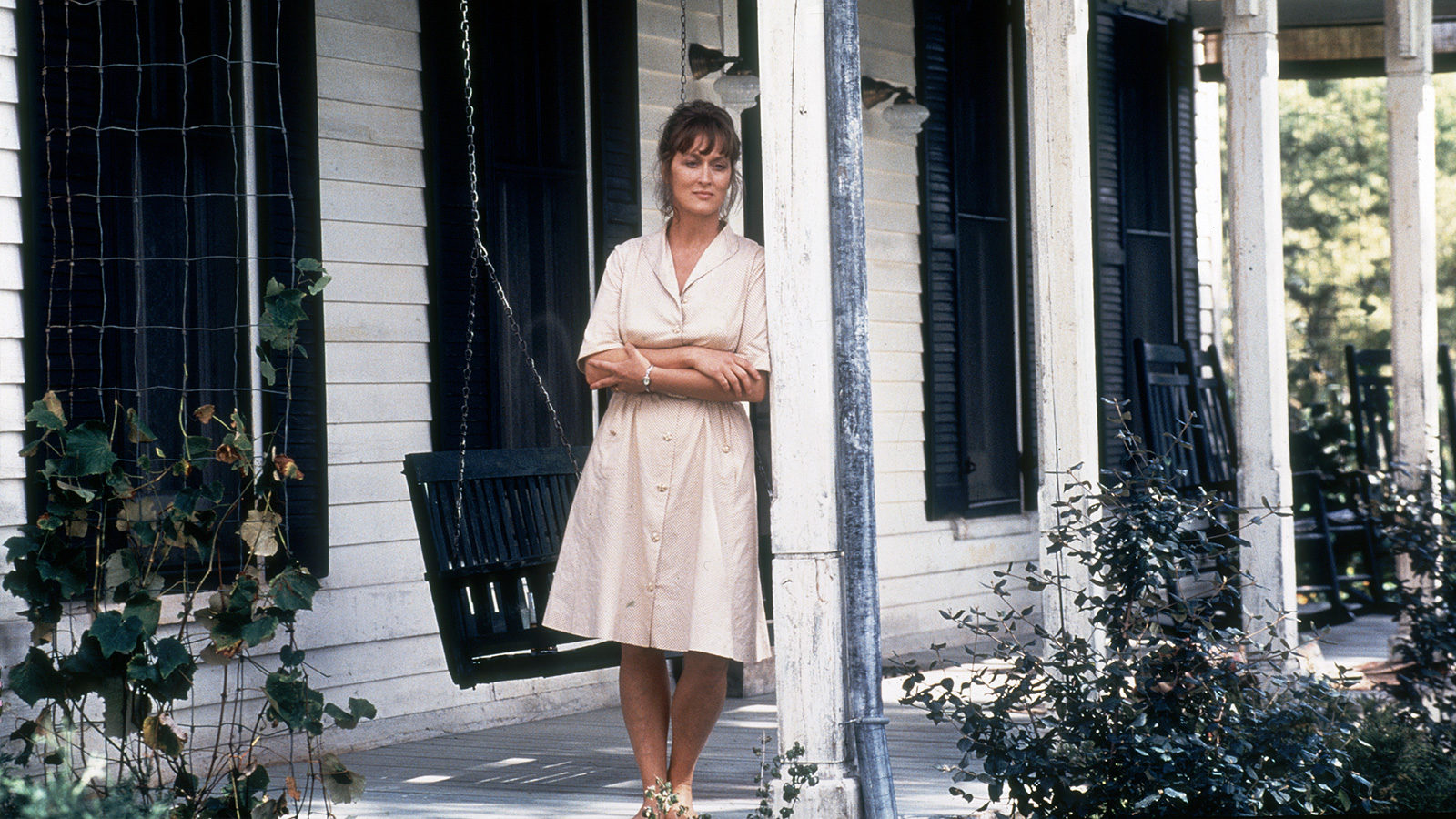
Conversations That Replace Confession
Much of the sequel unfolds through conversation. Still, these conversations feel different from typical romantic dialogue.
They do not argue. They do not accuse. Instead, they reveal.
Francesca and Robert talk about life, not longing. They share what happened after they separated. They speak about family, travel, and time.
Meanwhile, silence remains important. Pauses carry weight. Listening matters more than speaking.
Because of this balance, the dialogue feels natural. The film understands that maturity values intention over emotion.
Eventually, these conversations lead to understanding rather than reunion.
Silence as a Chosen Language
In the original story, silence protected Francesca from disruption. Now, silence serves a new purpose.
Earlier in life, silence helped her survive. In the present, silence reflects peace.
At the same time, the film never suggests silence equals happiness. Instead, it suggests silence can exist alongside acceptance.
Because of this shift, the emotional tone changes. Silence no longer hides pain. It supports clarity.
Over time, the audience understands that Francesca does not avoid words anymore. She simply chooses when they matter.
The Bridges as Signs of Endurance
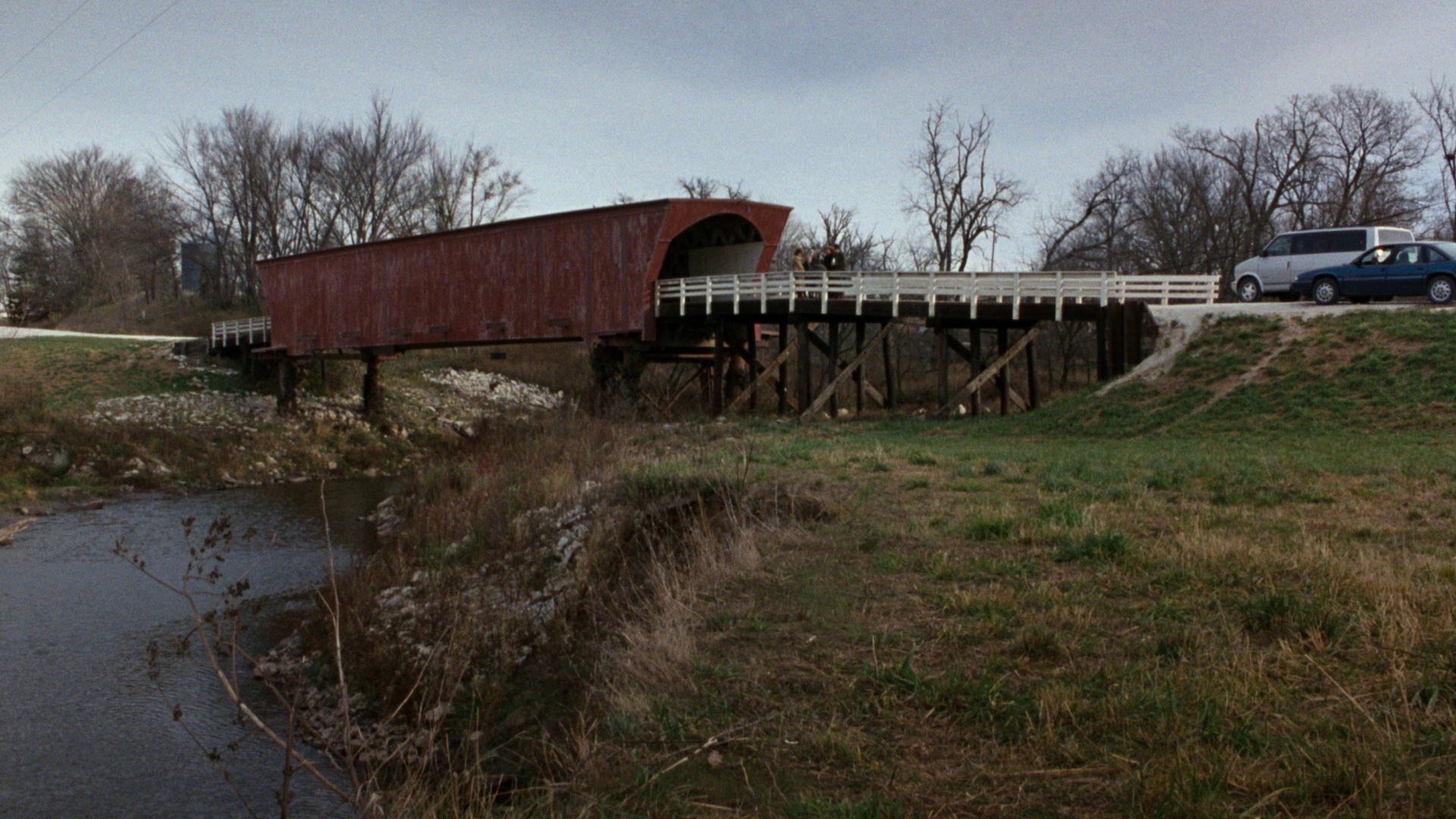
The bridges return as familiar images. However, their meaning has changed.
Time has worn them down. Weather has marked their surfaces. Still, they remain standing.
In this sequel, the bridges no longer represent temptation. They represent endurance.
They witnessed a moment that shaped two lives. Now, they witness acceptance.
Because of this symbolism, the film reinforces its central message: love does not need action to remain meaningful.
Why Older Audiences Feel Recognized
Many romantic films focus on youth. This sequel does the opposite.
It speaks to viewers who understand compromise, patience, and responsibility. It respects those who know that not every love story ends with union.
As a result, older audiences feel seen.
Younger viewers may watch with curiosity. Meanwhile, older viewers watch with recognition.
That difference gives the film emotional depth.
An Ending Without Correction
As the film approaches its final moments, nothing dramatic happens. Francesca returns home. Robert continues his journey.
Outwardly, life remains the same. Inwardly, everything feels lighter.
The film understands that closure does not always arrive through action. Sometimes, clarity is enough.
Because of that choice, the ending feels truthful rather than forced.
What the Film Leaves Behind
The Bridges of Madison County 2 (2026) leaves the audience with a quiet truth.
Love does not weaken with age. Instead, it becomes clearer.
Time removes illusion. What remains feels calmer but stronger.
Rather than celebrating passion alone, the film honors understanding.
In the end, this sequel reminds us that some love stories grow more powerful when they stop asking for more.
And sometimes, that understanding is the most honest ending possible.