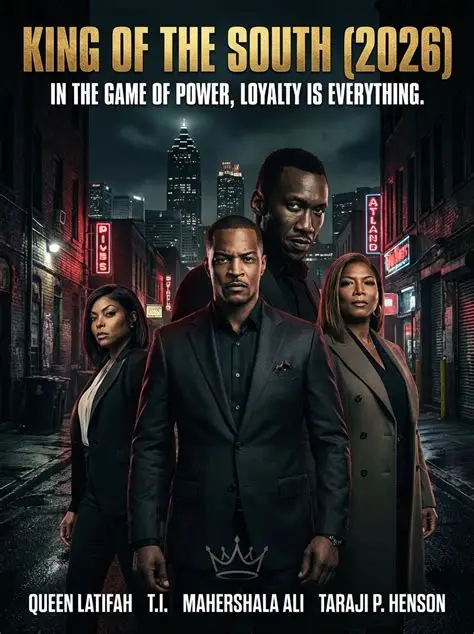
In the current film industry, timing matters as much as talent. A strong story can fail if it arrives too early. At the same time, a quiet project can succeed if it reflects the cultural mood. This balance explains why King of the South feels relevant now.
Even without confirmation, the project appears aligned with what audiences expect next.
A Changing Cultural Landscape
Over the past few years, viewers have shown clear fatigue with excess. Large franchises still dominate screens. However, audience attention has shifted elsewhere.
Instead of noise, people now seek grounded stories. They respond to characters shaped by choices rather than spectacle. Because of this, crime dramas with emotional weight continue to perform well.
King of the South seems built for this moment.
Why Silence Can Be a Smart Strategy
Modern film marketing often reveals too much. Trailers explain the plot. Interviews repeat the same ideas. As a result, interest fades before release.
In contrast, mystery creates longevity.
Because King of the South remains unconfirmed, nothing feels overexposed. No images invite early judgment. No statements create expectations.
Instead, media discussion fills the gap. Therefore, conversation becomes promotion.
A Possible Release Strategy
If the film moves forward, analysts suggest a careful path rather than a loud launch.
Festival Entry First
To begin with, a festival premiere would shape perception. The film could appear without heavy promotion.
Critics would define the tone. Early coverage would focus on performance and atmosphere. As a result, credibility would form quickly.
Limited Theatrical Run
After that, a controlled theatrical release would make sense. Selected cities would host early screenings.
This approach allows word of mouth to grow. Moreover, audiences feel invited rather than pressured.
Global Expansion
Finally, wider release would follow once momentum builds. International markets often respond well to prestige crime films.
Streaming could expand reach later, therefore extending the film’s life.
How Media Would Frame the Film
International media tends to value clarity of purpose. In this case, coverage would likely describe King of the South as character-driven.
Reviews would highlight restraint instead of scale. Writers would focus on dialogue, pacing, and tension.
Because of this framing, the film would attract viewers who seek depth rather than speed.
Cast as Strategic Advantage
The rumored cast strengthens this positioning.
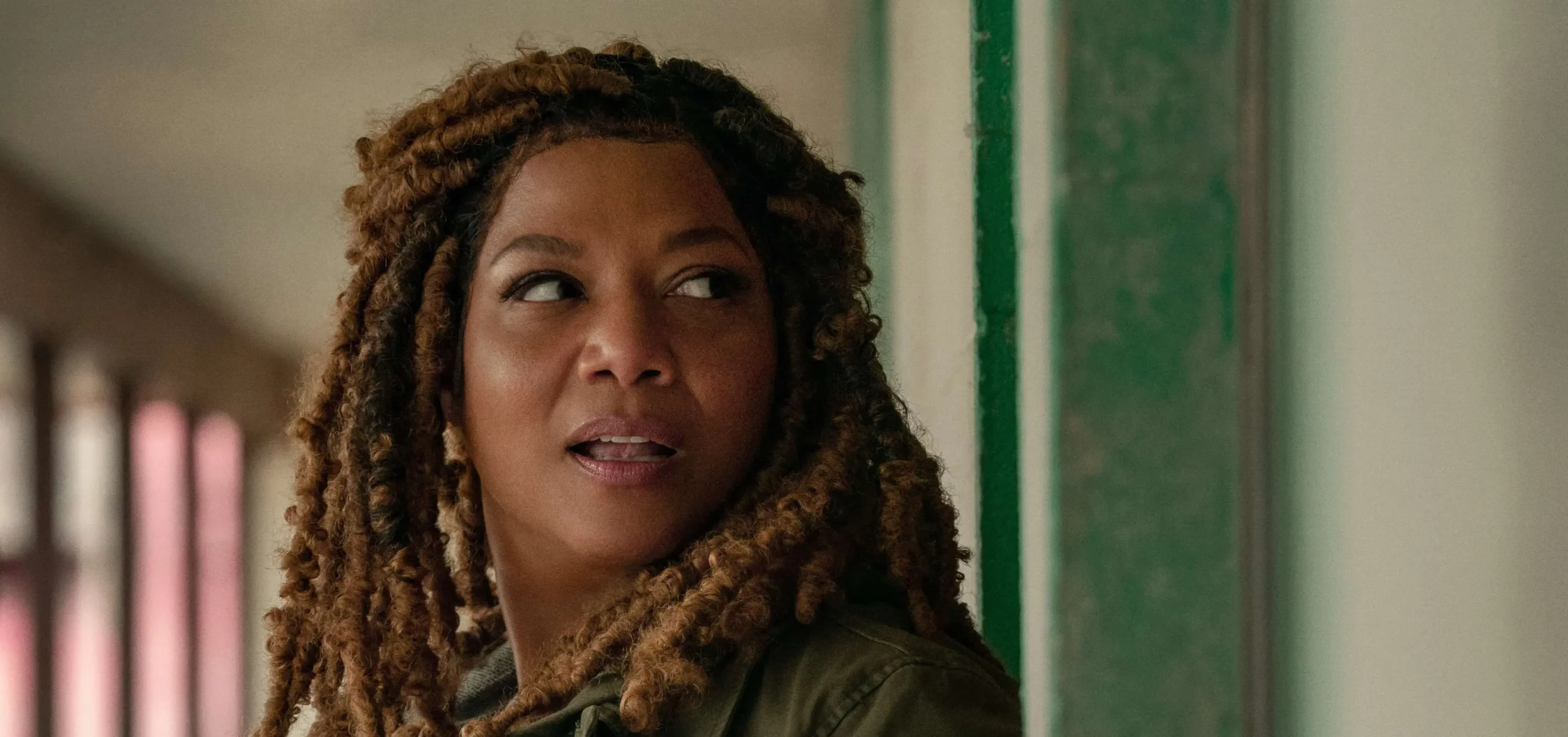
Queen Latifah and Taraji P. Henson bring public trust. Audiences believe in their judgment. Meanwhile, Mahershala Ali attracts critical respect.
T.I. adds cultural realism, which helps ground the story.
Together, these names balance prestige and accessibility. Therefore, marketing remains focused instead of fragmented.
The Streaming Question
Some analysts argue the film could succeed on streaming alone. Others insist on theatrical presence.
In reality, both paths can coexist.
A limited theatrical run adds weight. Afterward, streaming ensures global access. Because of this hybrid model, the film reaches both critics and general viewers.
International Reach Without Adjustment
One key advantage lies in universality.
Power struggles exist everywhere. Moral compromise feels familiar across cultures. Therefore, the film would not require heavy localization.
International audiences often respond to stories that translate naturally. King of the South appears to fit that standard.
Social Discussion and Longevity
The current mystery already fuels conversation. If released, that conversation would likely continue.
Ambiguous scenes invite debate. Quiet endings encourage interpretation. As a result, the film stays relevant beyond opening week.
Movies that trust the audience tend to last longer.
Managing Expectation Carefully
Of course, speculation carries risk. High expectations can damage perception if reality disappoints.
However, careful positioning reduces that risk.
By entering quietly and avoiding bold claims, the film could let its work speak. This restraint matches the rumored tone.
Why This Story Feels Necessary Now
Many crime films focus on speed. Fewer pause to reflect.
King of the South appears positioned as reflection rather than reaction. It asks who holds power and why. It examines what leadership costs.
Because these questions matter now, the film feels timely.
Final Perspective
Whether King of the South becomes a confirmed 2026 release or remains a cultural rumor, its impact already exists.
It reflects audience desire for depth. It shows respect for intelligence. Moreover, it proves that silence can still generate attention.
In an industry filled with noise, restraint stands out.
If the film arrives, it will meet the moment.
If it does not, the conversation around it still reveals where cinema is headed.