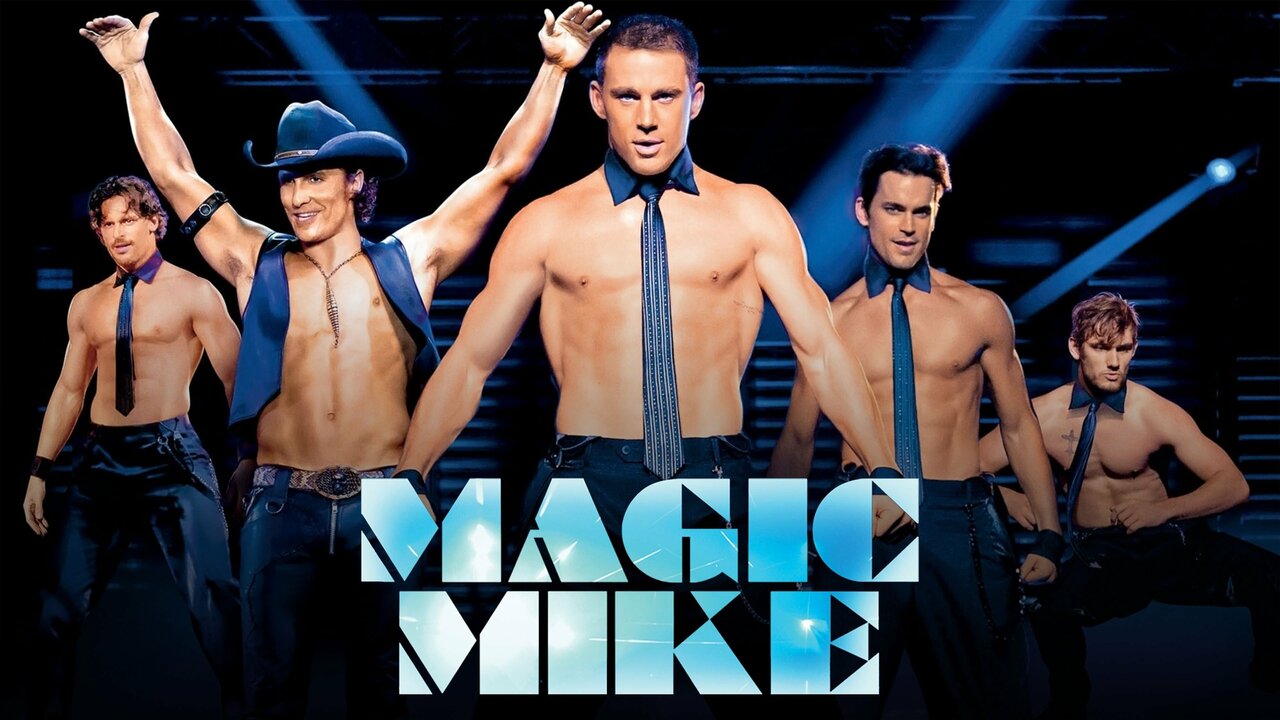
With Magic Mike 4: Midnight Heat (2026), the franchise that began with Magic Mike evolves into its most visually ambitious and thematically layered chapter. What once started as a provocative backstage drama has now transformed into a reflective cinematic statement about masculinity, aging, spectacle, and authenticity in the digital era.
Reuniting audiences with Mike Lane, portrayed once again by Channing Tatum, this installment does more than deliver high-energy choreography. It embraces sophisticated storytelling, controlled pacing, and symbolic visual language that elevate it beyond genre expectations.
This in-depth review examines the directing approach, cinematography, editing rhythm, music design, and recurring motifs that define Midnight Heat as a bold evolution for the franchise.
Directorial Vision: From Sensual Spectacle to Cultural Commentary
Earlier entries in the series balanced humor, sexuality, and character-driven storytelling. Magic Mike XXL leaned into road-trip exuberance and celebratory energy, while Magic Mike’s Last Dance refined the romantic drama elements.
Midnight Heat synthesizes both tones but introduces a sharper thematic edge.
The direction emphasizes contrast—both visually and ideologically. Every creative decision reinforces the central conflict: human presence versus digital amplification.
Rather than presenting the rivalry as a simplistic good-versus-bad narrative, the film frames it as a philosophical evolution. The camera lingers longer. Performances are allowed to breathe. Dialogue sequences carry weight.
The result feels more mature, more reflective, and more self-aware than previous chapters.
Cinematography: Heat vs. Neon
One of the film’s strongest cinematic achievements lies in its visual duality.
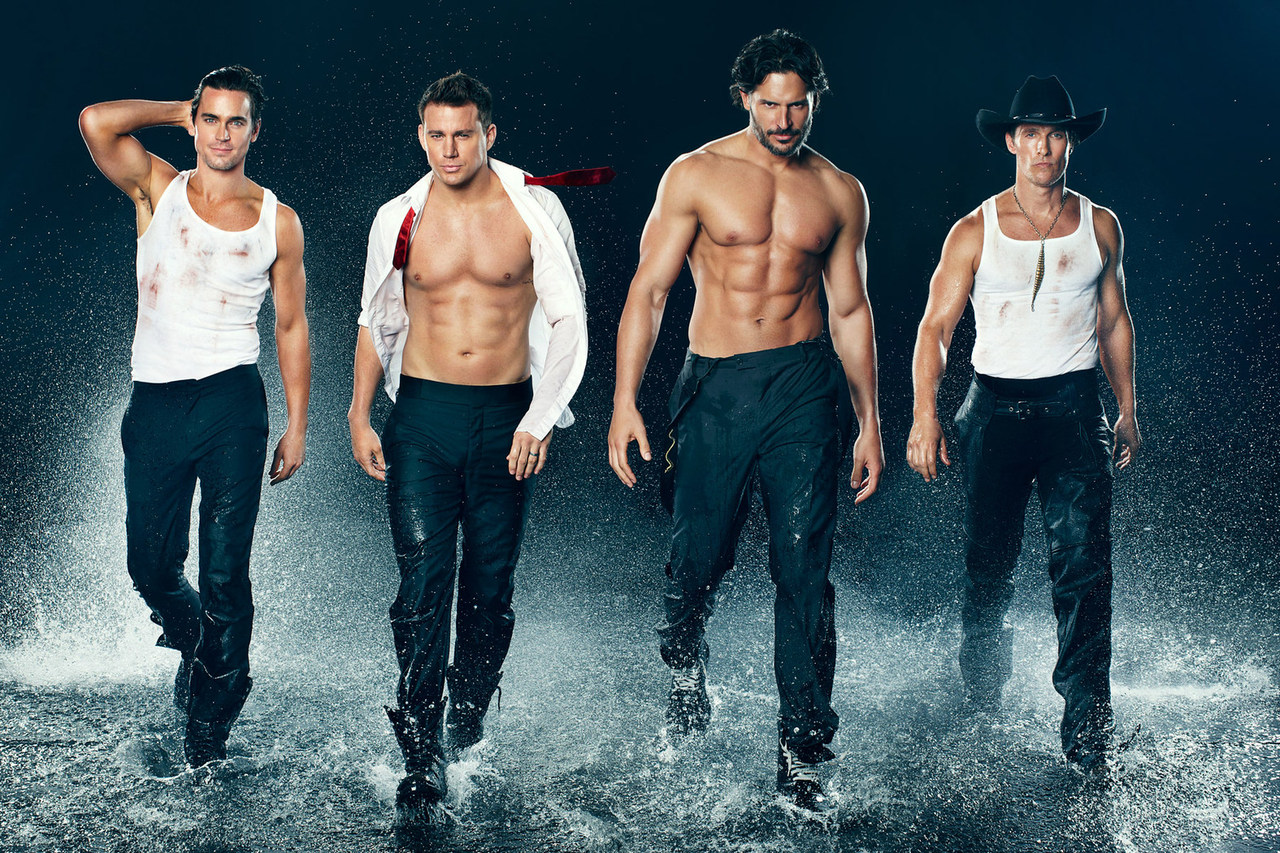
Mike’s World – Warm, Textured, Intimate
Scenes set in Mike’s studio are shot with:
-
Golden-hour lighting
-
Soft shadows
-
Practical bulbs instead of artificial LEDs
-
Close-up framing that captures skin texture and breath
Sweat glistens under warm tones, symbolizing authenticity and physical effort. The camera often remains handheld, reinforcing intimacy and imperfection.
Midnight Heat Club – Cold, Digital, Precise
In stark contrast, the rival venue is defined by:
-
Deep blues and purples
-
LED walls and holographic projections
-
Drone shots and sweeping mechanical camera movement
-
Symmetrical framing that feels engineered
The visual language communicates control and perfection—but also emotional distance.
This aesthetic contrast becomes a storytelling device. The audience does not simply understand the ideological divide—they see it.
Editing Rhythm and Narrative Pacing
Midnight Heat adopts a three-act structure but distinguishes itself through pacing variation.
Act I – Controlled Restraint
The opening sequences are slower than typical franchise entries. Silence is used intentionally. Dance sequences are minimal, focusing instead on character placement and environmental contrast.
This restraint builds anticipation.
Act II – Accelerated Cross-Cutting
As rivalry intensifies, editing becomes sharper. Rehearsal scenes between Mike’s crew and the Midnight Heat performers are intercut rapidly, visually equating two opposing training philosophies.
The editing rhythm mirrors tension escalation.
Act III – Extended Performance Takes
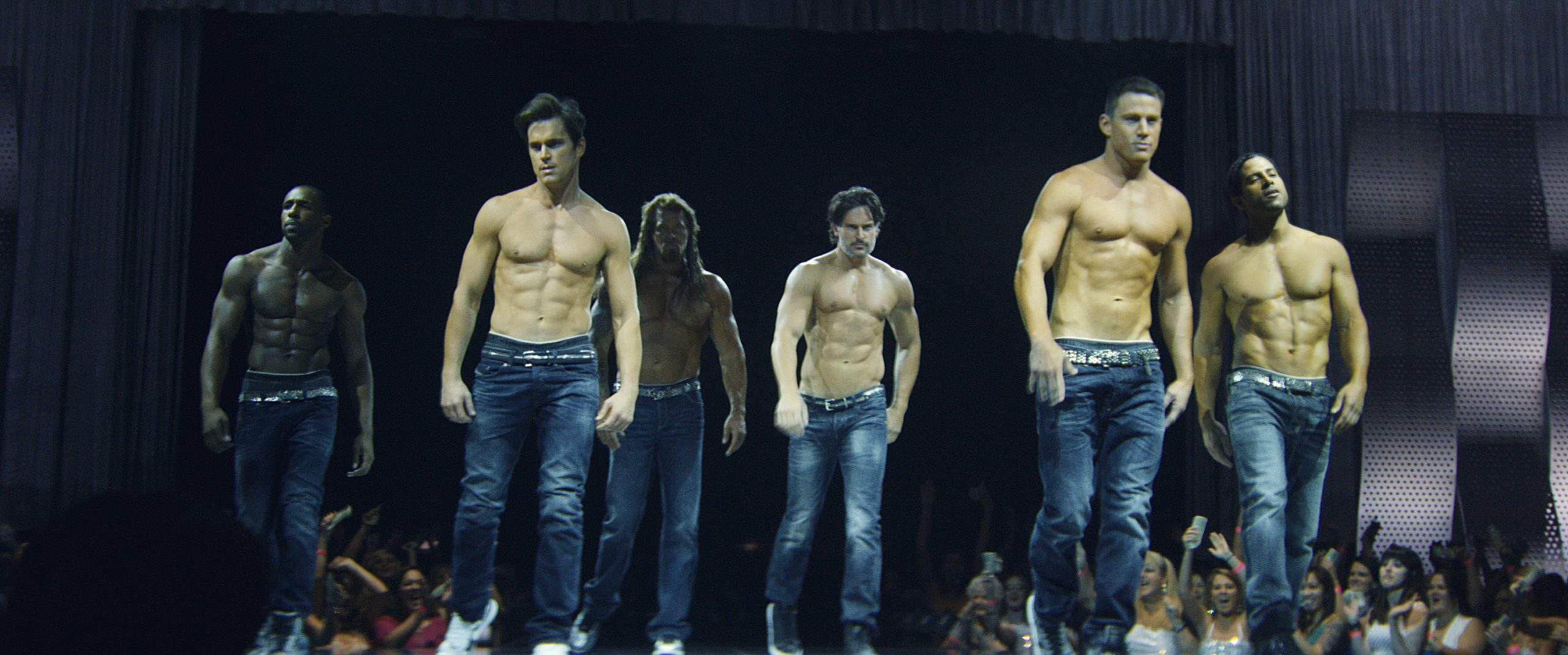
The final showcase sequence notably shifts into longer takes. Rather than quick cuts, the camera allows choreography to unfold in real time. This choice reinforces the film’s message: presence matters.
By refusing to hide behind rapid edits, the film demonstrates confidence in its performers.
Choreography as Character Expression
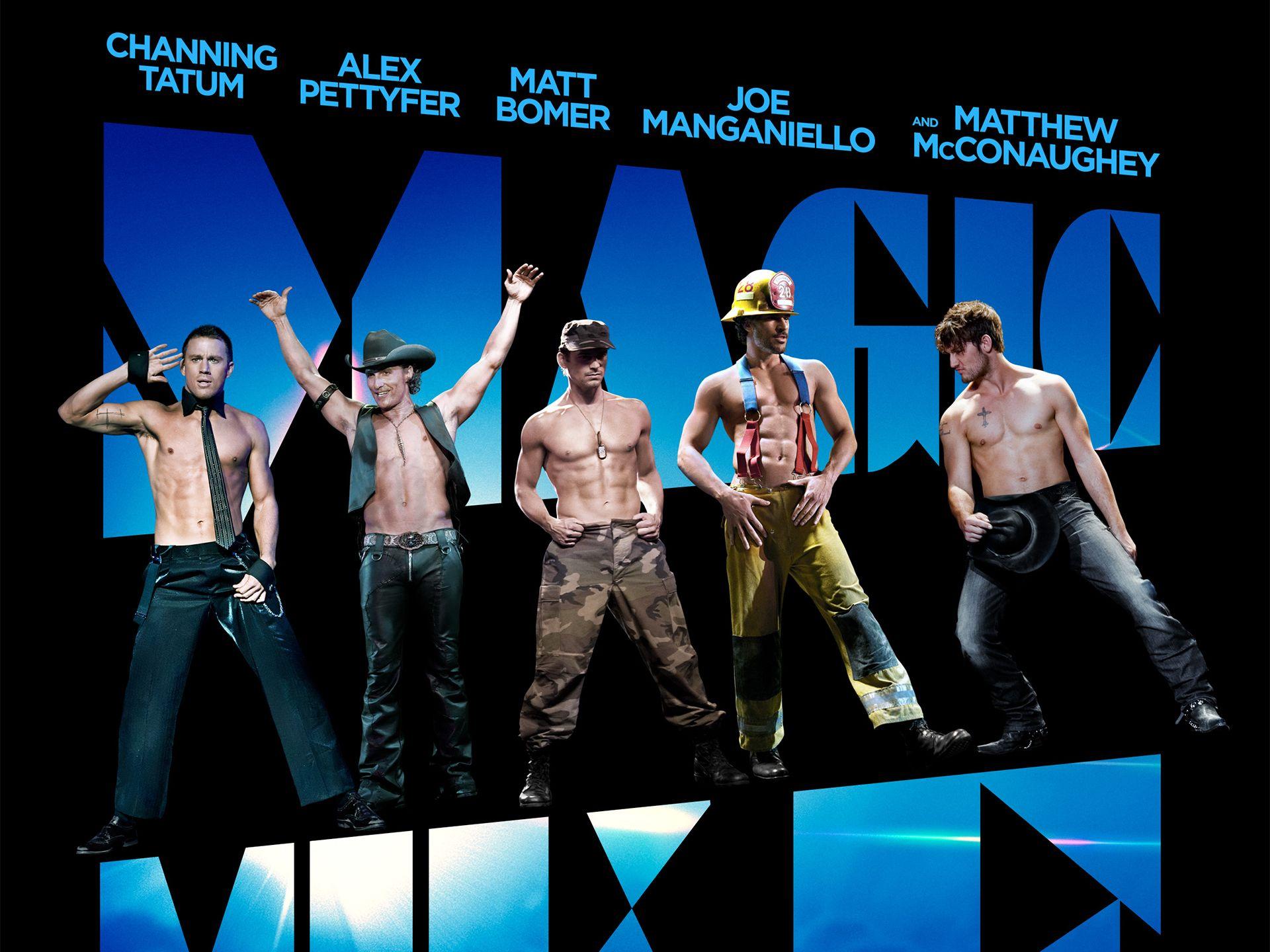
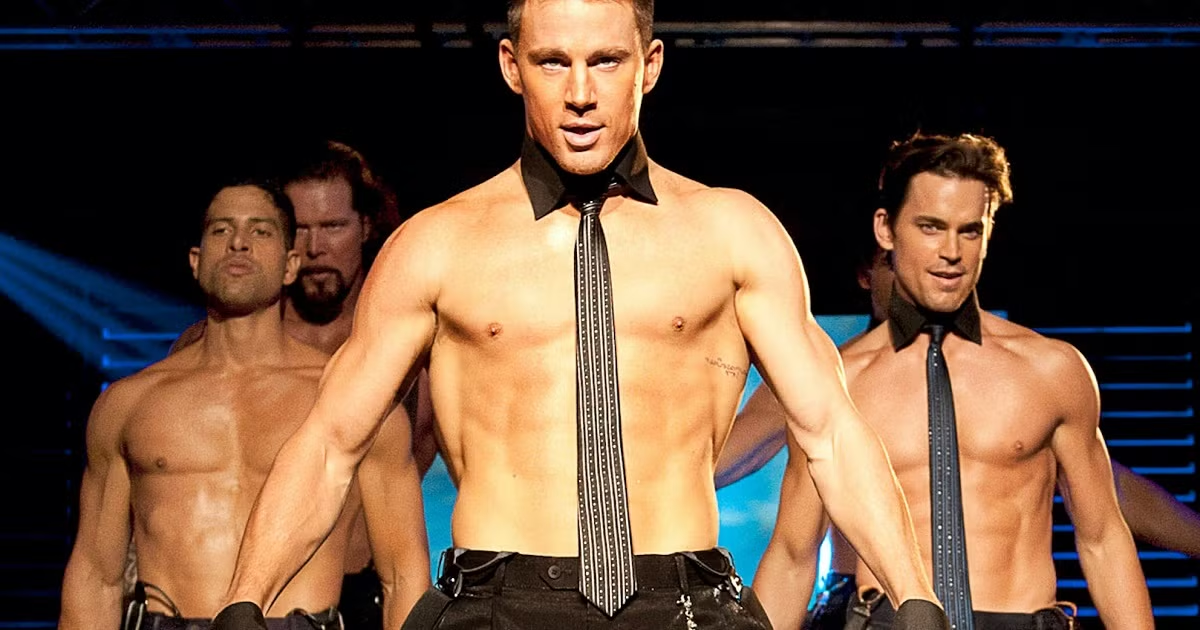
Dance has always been central to the franchise, but in Midnight Heat it becomes narrative language.
Mike’s Choreography
-
Grounded movements
-
Emphasis on eye contact
-
Gradual build rather than immediate spectacle
-
Physical storytelling over acrobatics
Midnight Heat’s Choreography
-
Highly synchronized precision
-
Technology-enhanced illusions
-
Sharp, angular movement
-
Visual symmetry
The final performance cleverly integrates subtle digital elements into Mike’s routine—not as replacement, but enhancement—symbolizing evolution without surrender.
Musical Composition and Sound Design
The soundtrack blends:
-
Minimalist percussion
-
Electronic basslines
-
Orchestral crescendos
-
Ambient breathing effects
In one standout sequence, the arena falls silent except for amplified breath and heartbeat rhythms. This creative choice transforms physical presence into soundscape.
The rival performance, conversely, features heavy electronic overlays and synthetic textures.
The film’s sound design subtly argues its thesis: the human body is an instrument.
Performance Depth and Emotional Range
Channing Tatum delivers one of his most restrained performances as Mike Lane. Rather than relying solely on charisma, he leans into vulnerability—fear of irrelevance, doubt, quiet reflection.
Supporting cast members:
-
Matt Bomer portrays Ken with refined elegance tinged by insecurity.
-
Joe Manganiello brings unexpected emotional gravity to Richie’s arc.
-
Adam Rodriguez anchors the ensemble with grounded sincerity.
-
Harry Shum Jr. avoids caricature, presenting the rival creative director as visionary rather than villain.
This balanced portrayal prevents the conflict from feeling simplistic.
Symbolism and Recurring Motifs
Midnight Heat employs subtle recurring imagery:
Mirrors
Mirrors appear frequently during rehearsal scenes. In Mike’s studio, reflections are imperfect and smudged. In Midnight Heat, mirrors are digital screens displaying enhanced versions of performers.
Symbolism: Self-perception vs. curated identity.
Sweat
Close-up shots of sweat emphasize humanity. In contrast, Midnight Heat’s performers rarely appear physically strained.
Symbolism: Effort versus illusion.
Light Temperature
Warm tones dominate Mike’s scenes; cold tones define the rival club.
Symbolism: Emotional warmth versus technical brilliance.
The Final Scene: A Statement on Legacy
After the climactic showdown, the film avoids excessive celebration. Instead, it ends in simplicity.
Mike returns to teaching. Sunlight floods the studio. There is no audience beyond students. No livestream. No spectacle.
The message is understated but powerful:
Legacy is built in rooms without cameras.
Critical Reception Potential
From a film-critic perspective, Midnight Heat may receive praise for:
-
Thematic maturity
-
Visual contrast execution
-
Performance depth
-
Cultural relevance
However, some critics may argue the symbolism is overt. Yet for a mainstream franchise, this clarity enhances accessibility.
Position Within the Franchise
Compared to:
-
Magic Mike – grounded character drama
-
Magic Mike XXL – celebratory ensemble energy
-
Magic Mike’s Last Dance – romantic reinvention
Midnight Heat serves as the philosophical culmination.
It asks not whether Mike can perform—but whether performance itself still means what it once did.
Final Verdict
Magic Mike 4: Midnight Heat (2026) is visually bold, emotionally resonant, and culturally aware. It retains the sensual magnetism that made the franchise iconic while elevating its narrative scope.
Rather than chasing trends, it interrogates them.
Rather than rejecting technology, it reframes it.
Rather than glorifying youth, it honors growth.
In doing so, Midnight Heat becomes more than a sequel. It becomes a reflection of modern entertainment itself—asking audiences whether they prefer to watch… or to feel.