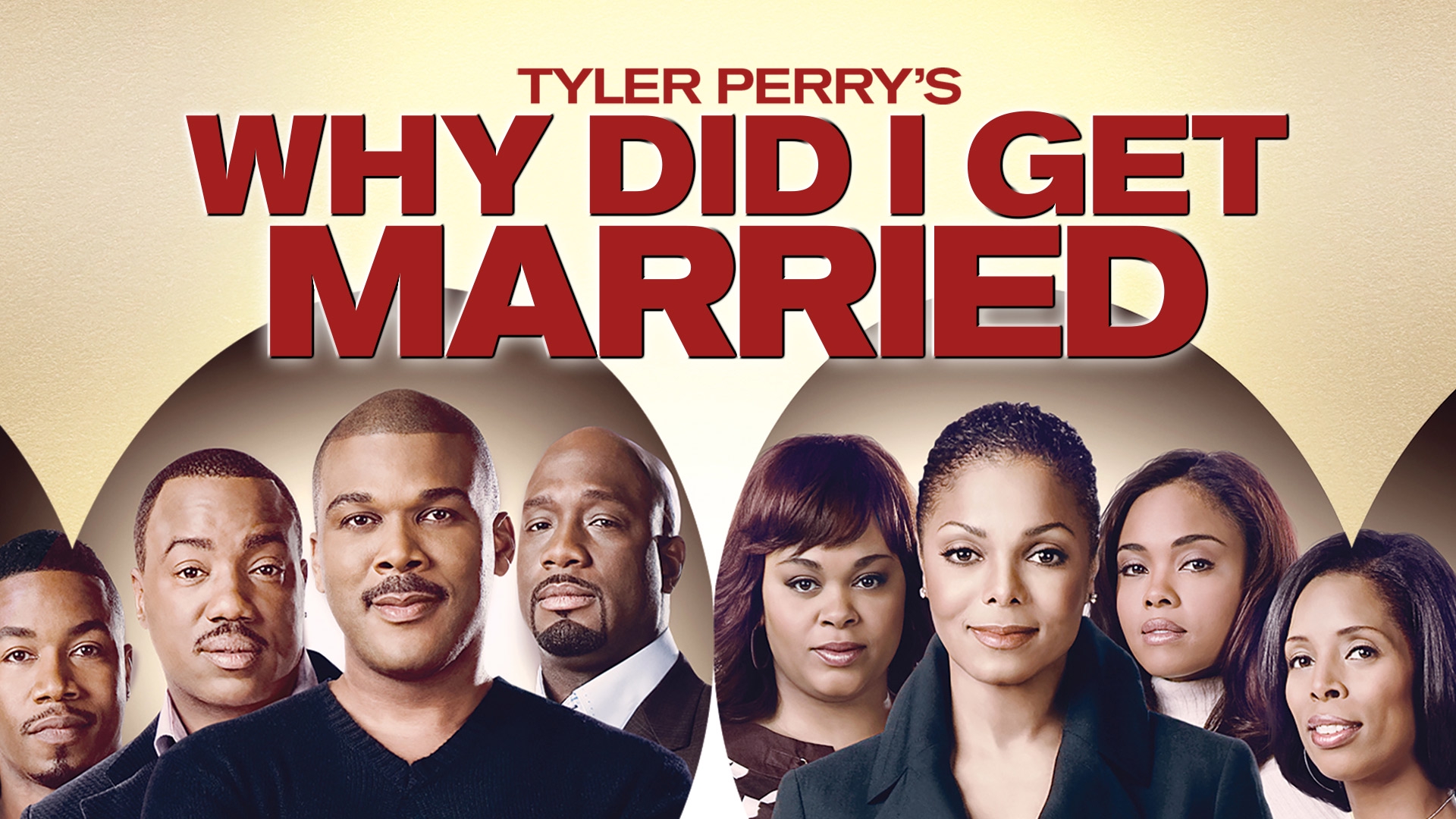
Few relationship dramas have managed to leave a cultural impact quite like Why Did I Get Married? and its sequel Why Did I Get Married Too?. For nearly two decades, audiences have connected with the emotional honesty and relatable characters created by filmmaker Tyler Perry.
Now, with Tyler Perry’s Why Did I Get Married Again (2026), the beloved franchise returns with a more mature, emotionally layered story that explores the modern realities of love and commitment.
But beyond the dramatic confrontations and heartfelt conversations, the film contains deeper themes and subtle messages that have sparked intense discussions online. Fans are not only debating the characters’ choices — they are also analyzing the film’s hidden meanings and speculating about what the ending could mean for the future of the series.
Why the Film Is Trending Right Now
Even before its official release, Why Did I Get Married Again has generated major attention across social media platforms and entertainment news outlets.
There are several reasons for this surge in popularity.
First, the original films developed a passionate fan base that has remained loyal for years. Many viewers grew up watching the characters navigate heartbreak, forgiveness, and personal transformation.
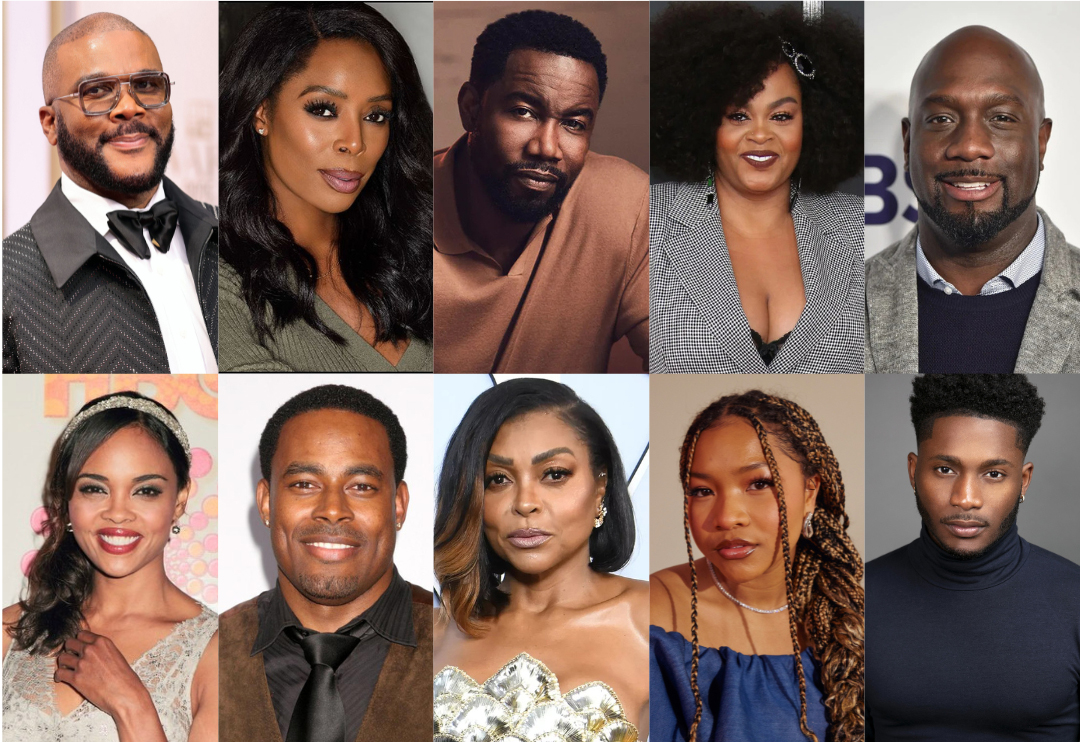
Second, the return of iconic cast members has created enormous excitement. Seeing familiar faces reunite after so many years adds a sense of nostalgia that resonates strongly with longtime fans.
Finally, the themes of the new film feel more relevant than ever. Modern marriages face challenges that were less visible in the past — including social media pressure, career ambition, and changing expectations about independence and partnership.
These real-world issues have made the story feel timely and relatable to audiences of all ages.
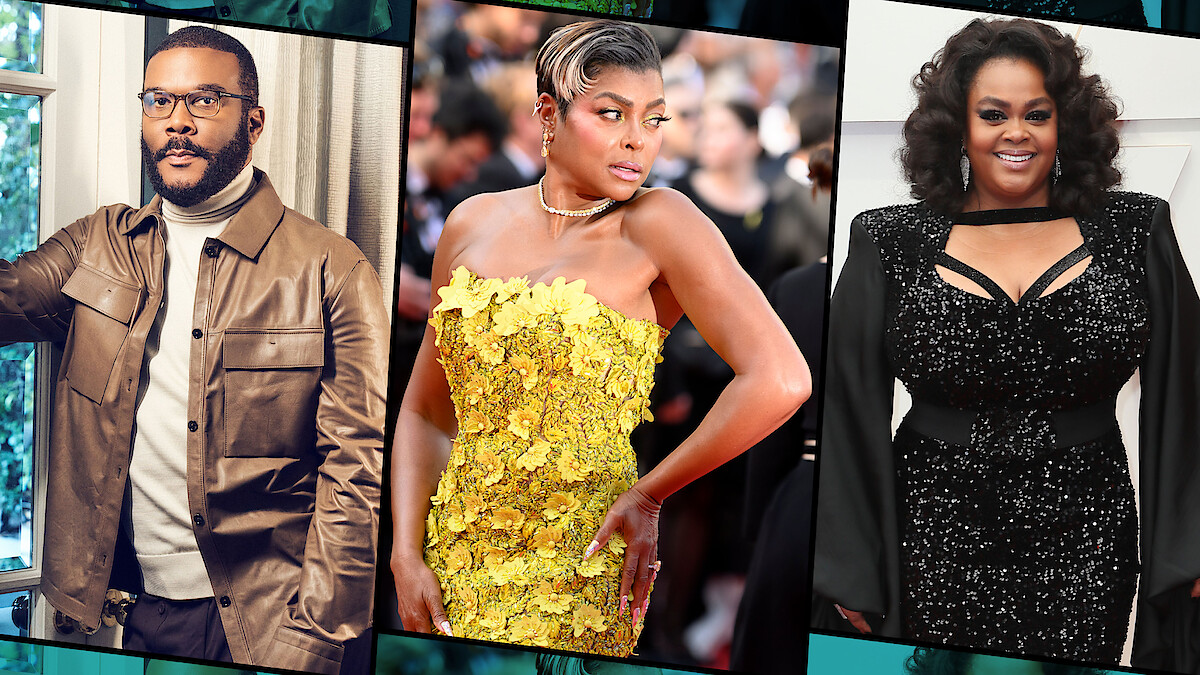
The Central Theme: Marriage Is a Constant Evolution
One of the most powerful ideas explored in Tyler Perry’s Why Did I Get Married Again is that marriage is not a fixed state.
It evolves over time.
People change as they grow older. Their priorities shift, their dreams evolve, and their understanding of love becomes more complex.
The film shows that many couples struggle not because they stopped loving each other — but because they failed to grow together.
Some characters discover that communication is the only path toward healing. Others realize that unresolved pain from the past continues to shape their present relationships.
Through these stories, the film suggests that successful marriages require continuous effort, empathy, and emotional honesty.
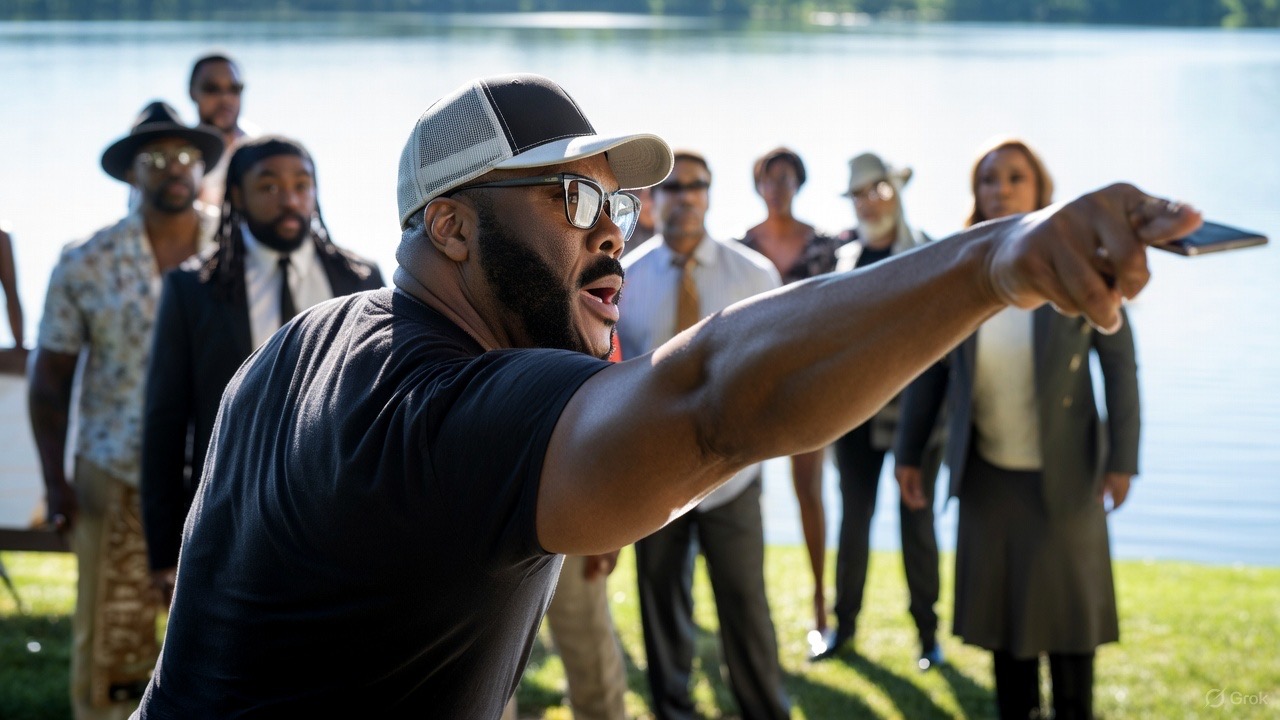
Social Media and the Illusion of Perfect Love
Another major theme in the film is the impact of social media on modern relationships.
Today, couples often feel pressure to present an image of perfect happiness online.
Photos, videos, and public posts create the illusion that everything is flawless.
But behind those carefully curated images, many relationships struggle with insecurity, jealousy, and emotional distance.
In the film, one couple represents this modern phenomenon. Their glamorous online presence hides deep cracks in their marriage.
When their private conflicts finally become public, the situation forces them to confront whether their relationship is built on genuine love or simply public perception.
This storyline resonates strongly with younger audiences who understand the pressures of digital life.
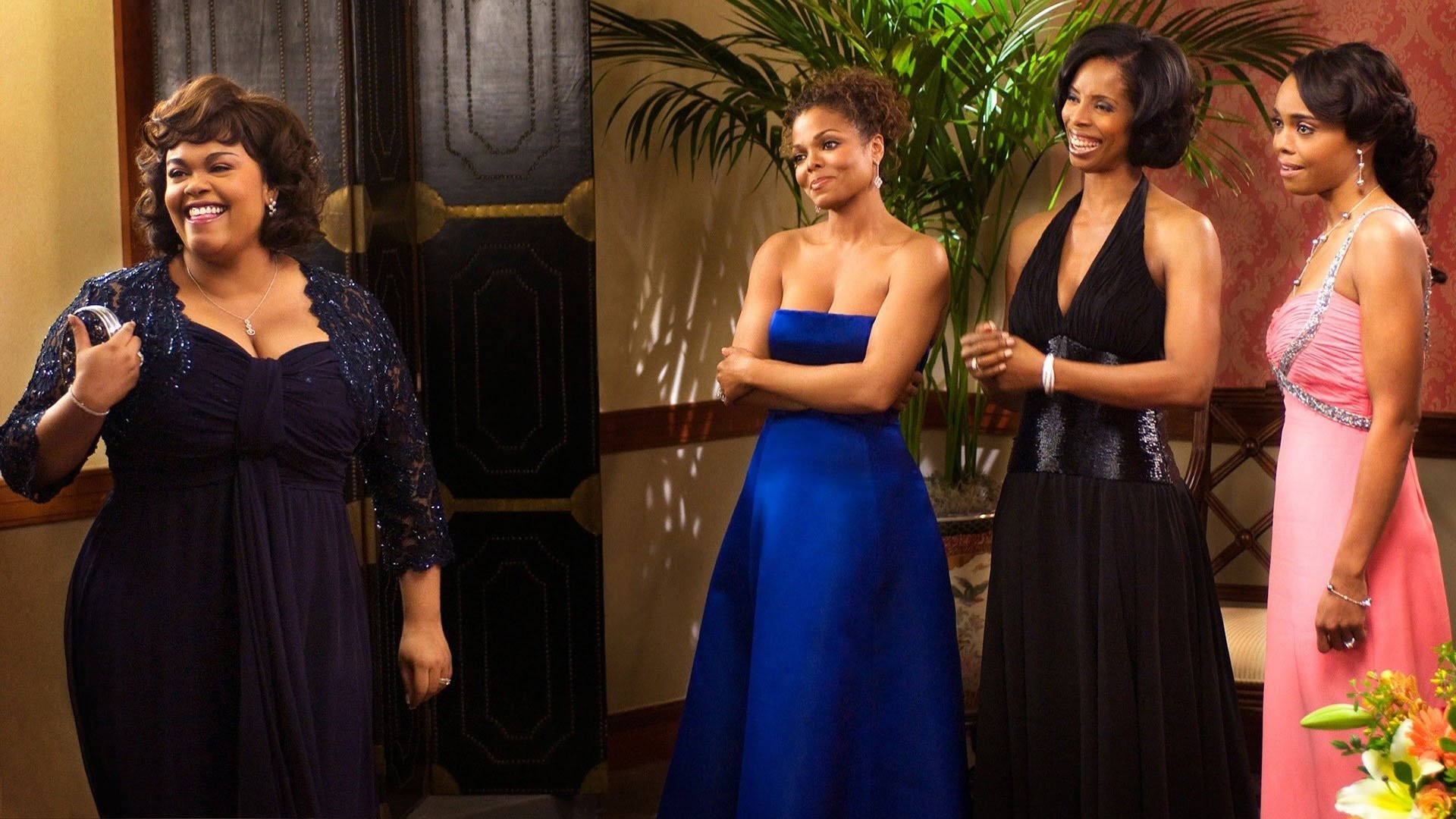
The Retreat as a Symbol
The annual couples retreat has always been the symbolic heart of the franchise.
In Why Did I Get Married Again, the retreat represents more than just a vacation.
It is a place where the characters cannot hide from their truths.
Removed from their everyday routines and distractions, they are forced to face the emotional realities of their relationships.
The isolated mountain setting reinforces this idea. Surrounded by vast landscapes and quiet nature, the characters must confront their inner struggles without the noise of the outside world.
This symbolic environment amplifies the emotional intensity of the story.
The Film’s Most Shocking Turning Point
Without revealing specific spoilers, the film includes a dramatic turning point that completely changes the tone of the story.
During what begins as a simple group conversation, a long-hidden secret is unexpectedly revealed.
The revelation sends shockwaves through the group, forcing several couples to reevaluate their relationships.
Friendships are strained. Loyalties are questioned. And the emotional consequences ripple throughout the rest of the retreat.
This moment becomes the catalyst for the film’s final act, pushing every character toward a life-changing decision.

The Emotional Meaning of the Ending
The ending of Tyler Perry’s Why Did I Get Married Again has already sparked intense debate among early viewers and fans discussing the story online.
Unlike traditional romantic dramas, the film does not offer a single clear answer about love or marriage.
Instead, it presents several different outcomes for the couples.
Some relationships emerge stronger after confronting painful truths. These characters rediscover the reasons they fell in love in the first place.
Others realize that their marriages have reached a natural ending. For them, honesty becomes more important than maintaining the appearance of happiness.
This balanced approach reflects the film’s central message: there is no single definition of a successful relationship.
Sometimes love means staying and fighting for the future. Other times it means having the courage to move forward separately.
Could There Be Another Sequel?
One of the biggest questions fans are asking is whether Why Did I Get Married Again could lead to another installment in the future.
Although the film works as a satisfying continuation of the story, several narrative threads remain open.
Certain characters begin new personal journeys that could easily be explored in another sequel.
Additionally, the introduction of younger couples suggests that the franchise may continue evolving to reflect new generations and modern relationship dynamics.
Given the strong online interest and nostalgic appeal of the series, it would not be surprising if Tyler Perry eventually revisits these characters once again.
Why the Story Still Matters Today
What makes Tyler Perry’s Why Did I Get Married Again so compelling is its willingness to address uncomfortable truths about relationships.
Marriage is often portrayed in films as either perfect romance or dramatic failure.
This story presents something more realistic.
It shows that love can be messy, complicated, and sometimes painful — yet still deeply meaningful.
The characters struggle with jealousy, insecurity, betrayal, and forgiveness. But they also demonstrate resilience, growth, and emotional courage.
These themes resonate because they reflect the experiences of real couples navigating the complexities of modern life.
Final Thoughts
Tyler Perry’s Why Did I Get Married Again (2026) is more than just a sequel to a beloved franchise.
It is a thoughtful exploration of love in a changing world.
Through powerful performances, emotionally honest storytelling, and timely themes about communication and personal growth, the film revisits the timeless question that first captivated audiences nearly twenty years ago.
Why do people get married?
And perhaps even more importantly:
What does it take to keep that commitment alive when life becomes unpredictable?
For fans of relationship-driven storytelling and the signature style of Tyler Perry, this new chapter offers a moving, thought-provoking experience that continues the legacy of one of the most memorable relationship dramas in modern cinema.