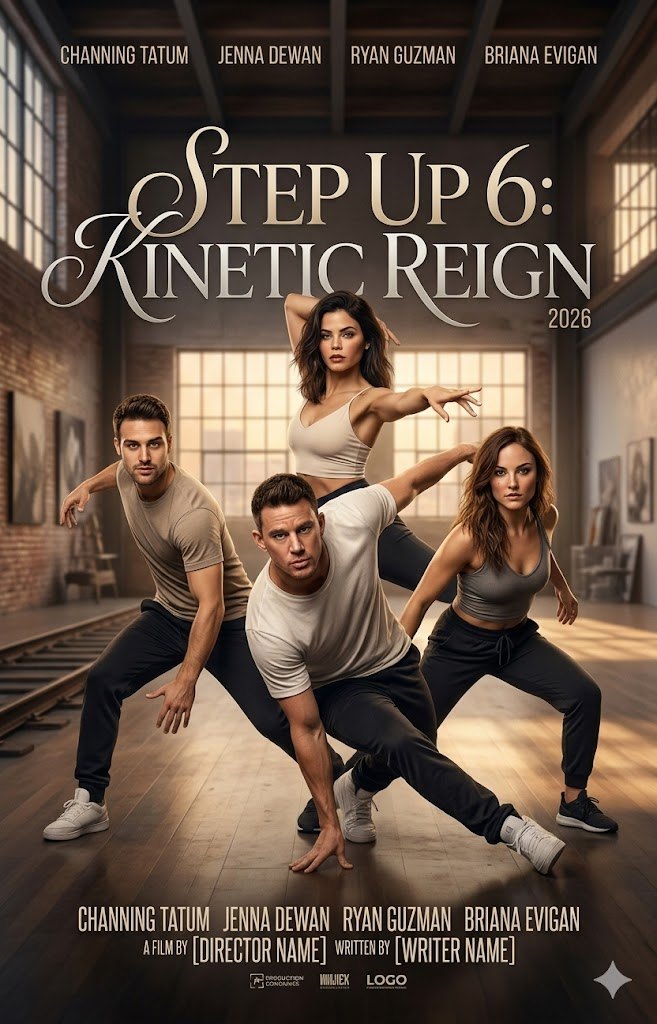
The World Is Watching
The stage has never felt this big.
In Step Up 6: Kinetic Reign (2026), dance no longer lives only in underground battles. Instead, it spreads across global platforms where millions watch every move. As a result, each performance carries more weight than ever before.
However, this level of attention creates pressure.
Now, the world doesn’t just watch. It judges, compares, and decides what matters. Meanwhile, something powerful works behind the scenes, shaping those decisions in ways most people cannot see.
At the center of it all, a global competition begins to rise.
A Stage That Feels Perfect—But Isn’t
At first, everything looks flawless.
Lights shine brighter, music hits harder, and dancers deliver near-perfect routines. Because of advanced systems, every detail appears controlled and precise.
However, that perfection quickly raises questions.
Nothing feels accidental. Every step seems calculated. Even the smallest movements follow a pattern.
As a result, freedom starts to fade.
Tyler Gage notices this shift almost immediately. While others focus on the spotlight, he focuses on what feels wrong.
And he realizes this is not just a competition.
Instead, it is something much bigger.
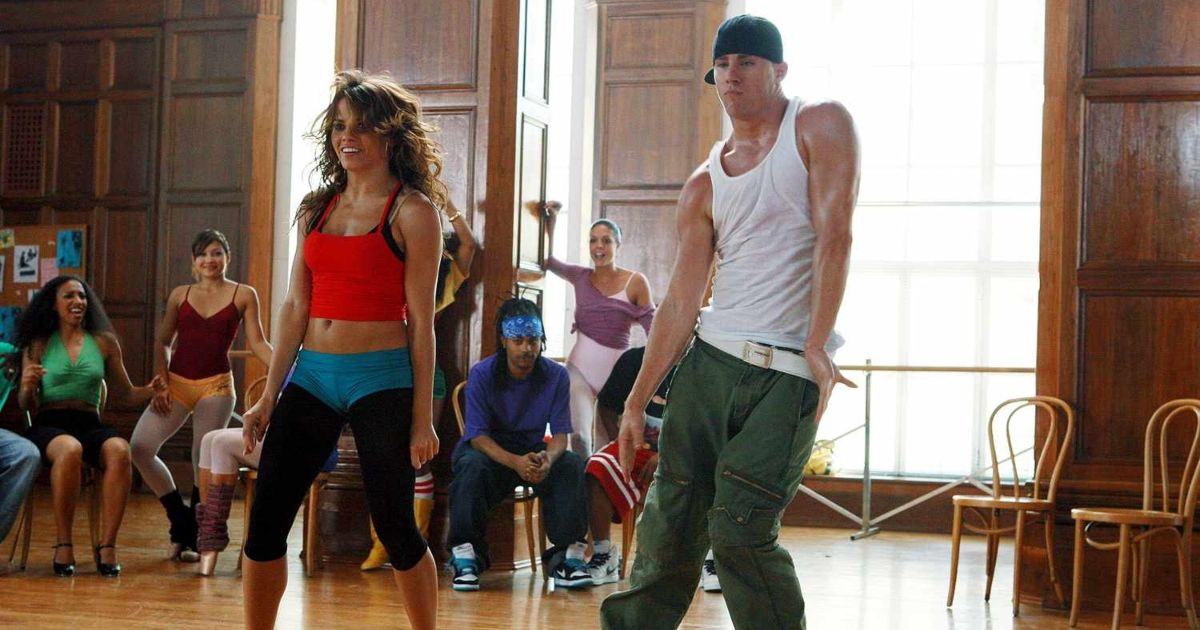
Tyler Steps Forward with a Different Purpose
Tyler never planned to return to a global stage.
However, the situation leaves him no choice.
Rather than chasing victory, he steps forward to challenge the system itself. Unlike other dancers, he refuses to follow predictable patterns. Instead, he moves with instinct and raw emotion.
Because of that, his presence disrupts everything.
The system struggles to read him. It cannot easily predict his next move. As a result, tension builds with every performance.
Still, Tyler keeps pushing forward.
He understands the risk, yet he refuses to lose what makes dance real.
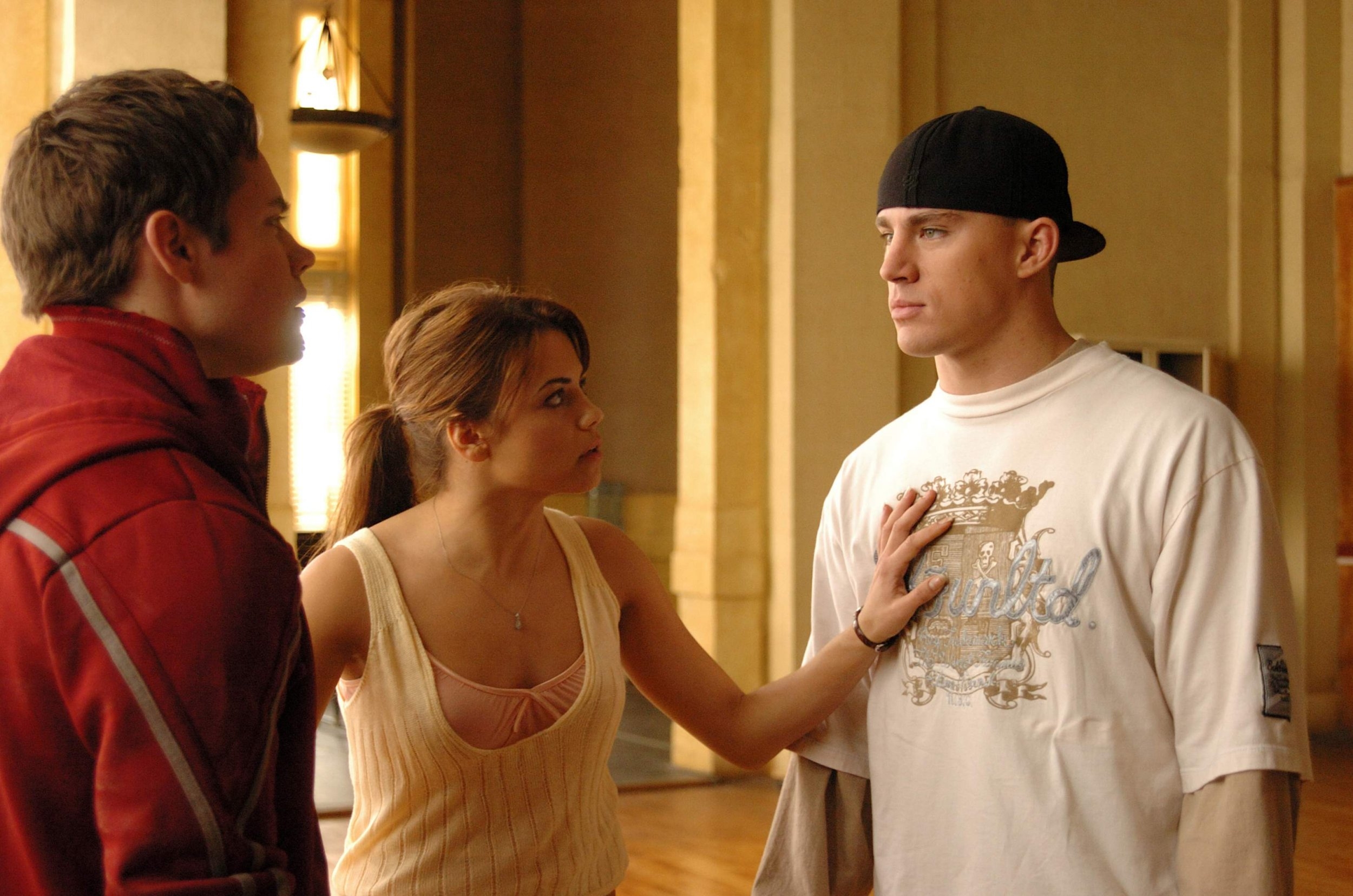
Nora Stands at the Edge of Control
Meanwhile, Nora Clark stands in a very different position.
She understands the system. She has mastered its structure. Therefore, she knows exactly how to succeed within it.
However, success begins to feel empty.
Although her performances look perfect, something important feels missing. Over time, that feeling grows stronger.
When she reconnects with Tyler, the contrast becomes clear.
Tyler represents freedom.
Nora represents control.
Because of this difference, their connection becomes more intense—and more complicated.
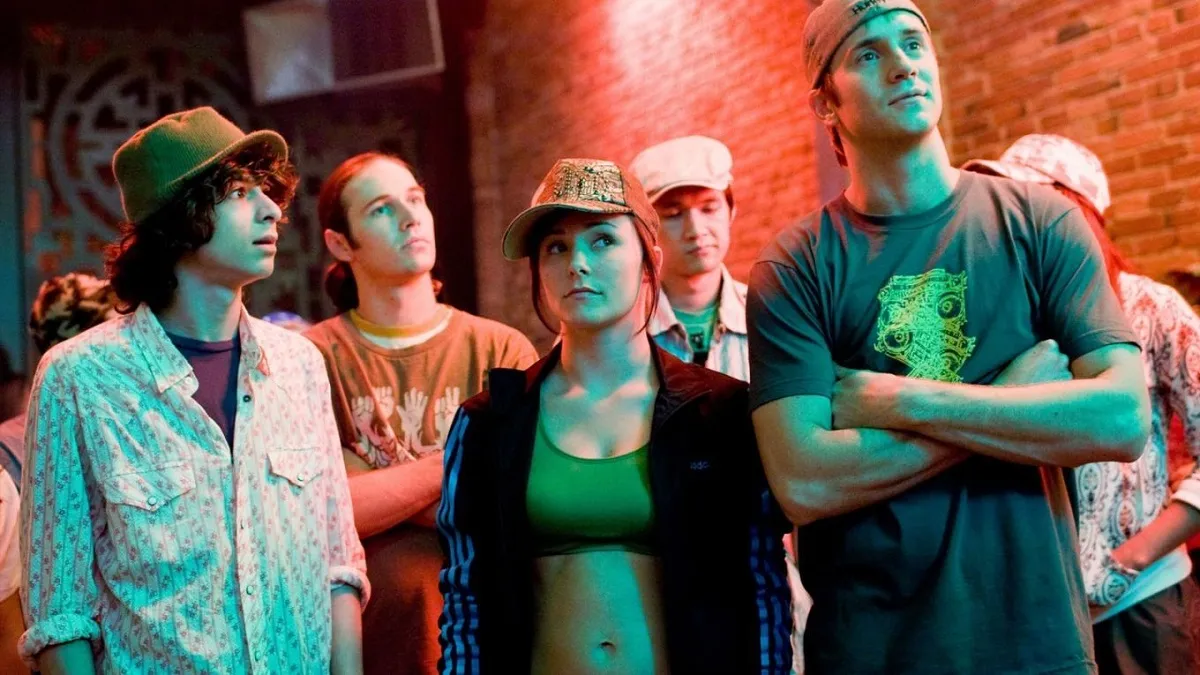
Crews Compete, But the Rules Feel Different
As the competition continues, crews from around the world step onto the stage.
Each team brings unique energy and style. At first, the diversity feels exciting. However, patterns begin to appear.
The system rewards precision.
It favors control.
It limits risk.
As a result, dancers who follow structure move forward, while those who break it fall behind.
This creates quiet frustration.
Although the competition looks fair, it doesn’t feel that way.
The Final Performance Breaks the Pattern
Eventually, everything leads to one final moment.
The energy shifts. The pressure rises. Every movement begins to matter more than ever.
However, Tyler and Nora choose a different path.
Instead of aiming for perfection, they focus on something real. Their performance ignores structure and breaks expected patterns. In other words, they create something the system cannot fully understand.
Because of that, the result feels unpredictable.
For the first time, control starts to slip.
When Real Emotion Takes Over
The audience reacts immediately.
However, the reaction does not come from perfection.
Instead, it comes from emotion.
Every movement feels alive. Every imperfection adds depth. As a result, the performance connects on a deeper level.
Meanwhile, the system struggles to respond.
It cannot measure emotion the same way it measures precision.
And that changes everything.
A Shift That Goes Beyond the Stage
After that moment, the impact begins to spread.
Dancers start to question what they follow. Audiences begin to notice the difference between control and authenticity.
As a result, the system begins to weaken.
Although it doesn’t collapse, it loses its absolute power.
Sometimes, even a small shift can start something bigger.
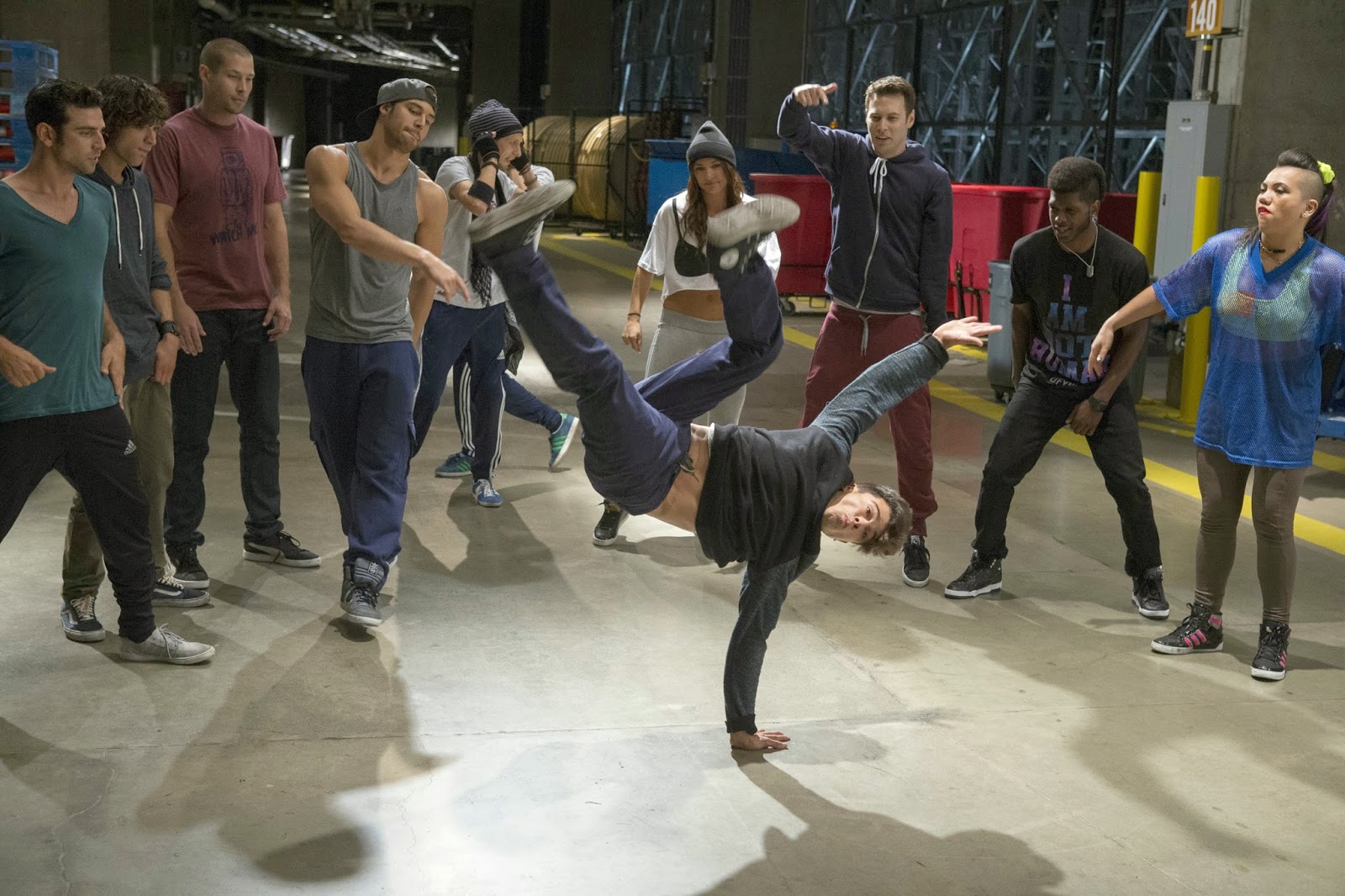
More Than Just a Competition
Kinetic Reign goes beyond a simple dance story.
Instead, it explores ideas about control, identity, and freedom. It shows that movement is not only physical—it is personal.
Because of that, the film feels more meaningful.
It raises an important question:
Can perfection ever replace something real?
Final Thoughts
Step Up 6: Kinetic Reign (2026) delivers an ending that feels both powerful and open.
Rather than giving clear answers, it leaves space for interpretation. As a result, the story stays with the audience even after it ends.
In the end, one idea stands out:
Perfection may impress.
However, real emotion always connects.
And that connection can never be replaced.