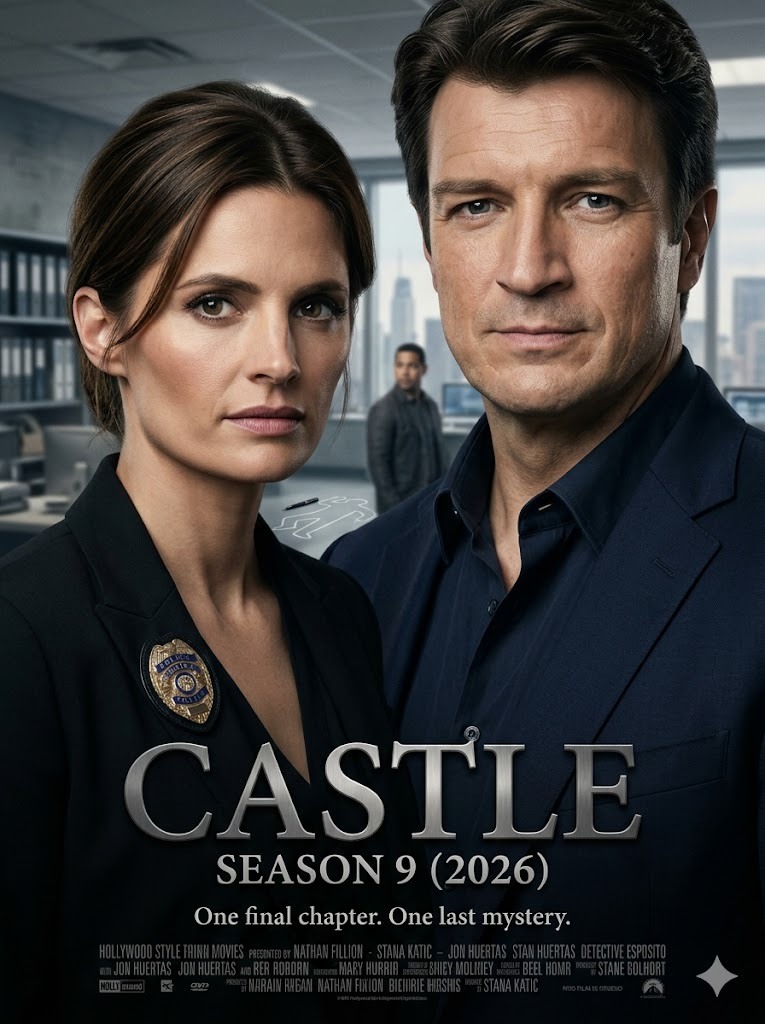
For many fans, Castle was never just about solving crimes. It was about energy, wit, and the thrill of watching smart characters outplay dangerous opponents. While later seasons leaned into darker arcs, the show always worked best when it balanced tension with clever storytelling.
Castle Season 9: Deadly Game (2026) returns to that winning formula. At the same time, it raises the stakes with a season-long mystery that feels urgent, unpredictable, and cinematic.
This imagined continuation does not abandon what made the series special. Instead, it sharpens it.
A Case That Changes Everything
The season opens with a seemingly simple murder. At first, the case looks routine. However, small details begin to stand out.
A missing object.
A coded message.
A suspect who disappears without a trace.
Because of these clues, Castle becomes interested. He senses that the case is not as simple as it appears.
Soon after, another crime surfaces with similar patterns. Then another. As a result, a larger picture begins to form.
Someone is creating a game.
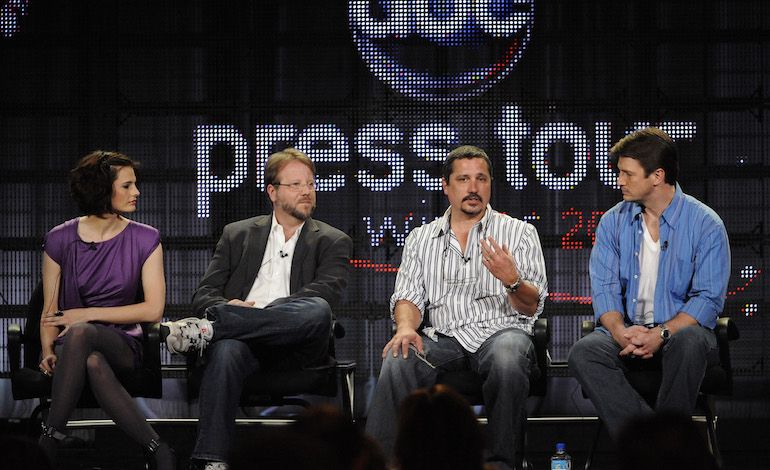
The Mastermind Behind the Game
Unlike previous villains, this antagonist does not rely on brute force. Instead, he uses intelligence and planning.
Each crime functions as a move. Each clue serves a purpose. Because of this structure, the investigation feels like a strategic battle.
Castle recognizes the pattern early. As a writer, he understands narrative logic. He sees how the pieces connect.
However, understanding the game does not make it easier to win.
The mastermind stays ahead by predicting reactions. He manipulates outcomes and forces the team to respond under pressure.
As a result, every episode feels like a race against time.
The Return of Team Dynamics
One of the strongest aspects of this version is the return of full team interaction.
Castle works closely with Beckett again. Their partnership feels natural and balanced. They challenge each other, but they also trust each other.
Ryan and Esposito bring energy and humor. They handle fieldwork while contributing important insights.
Because of this, the team dynamic becomes a central strength of the season.
Instead of focusing on separation or loss, the story highlights collaboration.
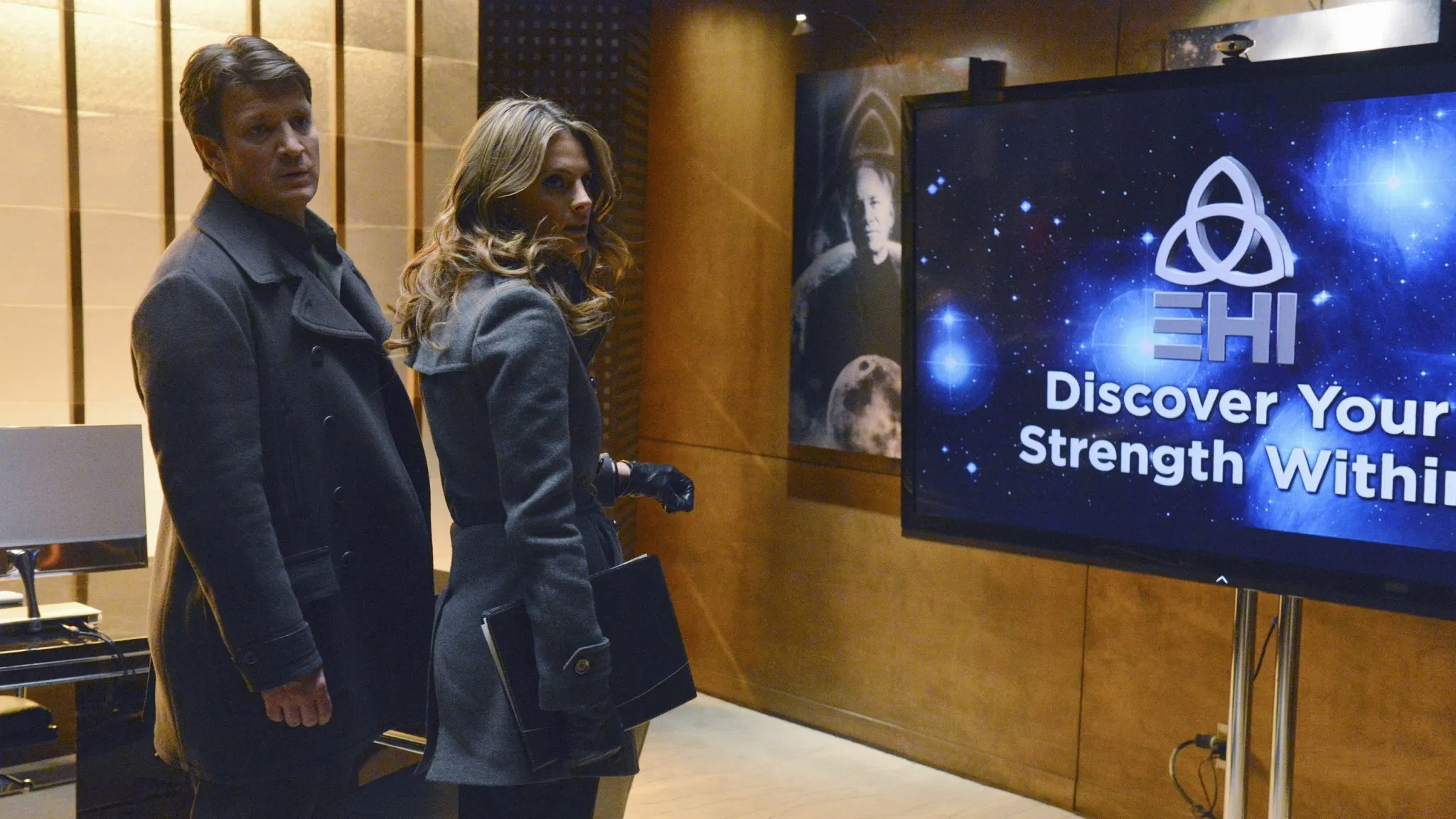
Castle and Beckett — A Sharper Partnership
While their relationship remains strong, it also evolves.
They no longer rely only on instinct. They communicate more clearly. They approach problems as equals.
This change reflects their growth from earlier seasons.
At the same time, the series keeps their signature chemistry. Light moments, quick dialogue, and shared understanding continue to define their scenes.
Because of this balance, their relationship feels both familiar and refreshed.
A Season Built on Strategy
Each episode introduces a new part of the larger game.
The team follows clues, solves puzzles, and uncovers hidden connections. However, every solution leads to a new challenge.
This structure keeps the story moving forward.
It also encourages viewers to think along with the characters. Instead of passively watching, they become part of the investigation.
Because of this engagement, the season feels interactive and dynamic.

Tone — Tension with Moments of Relief
While the central story is intense, the series does not become overly dark.
Instead, it uses contrast.
Serious moments build tension. Lighter scenes provide relief. This balance keeps the pacing effective and prevents emotional fatigue.
Castle’s humor plays an important role. His observations and creative thinking add personality to the story.
Because of this, the series maintains its identity while exploring higher stakes.
Visual Style — Clean, Sharp, and Modern
The visual approach reflects the structure of the story.
Scenes are carefully framed. Lighting highlights key details. Movement is controlled and purposeful.
Urban settings create a sense of realism. Interiors feel tight and focused, which increases tension during investigations.
At the same time, the show avoids excessive style. It remains grounded and accessible.
Because of this, viewers can focus on the story without distraction.
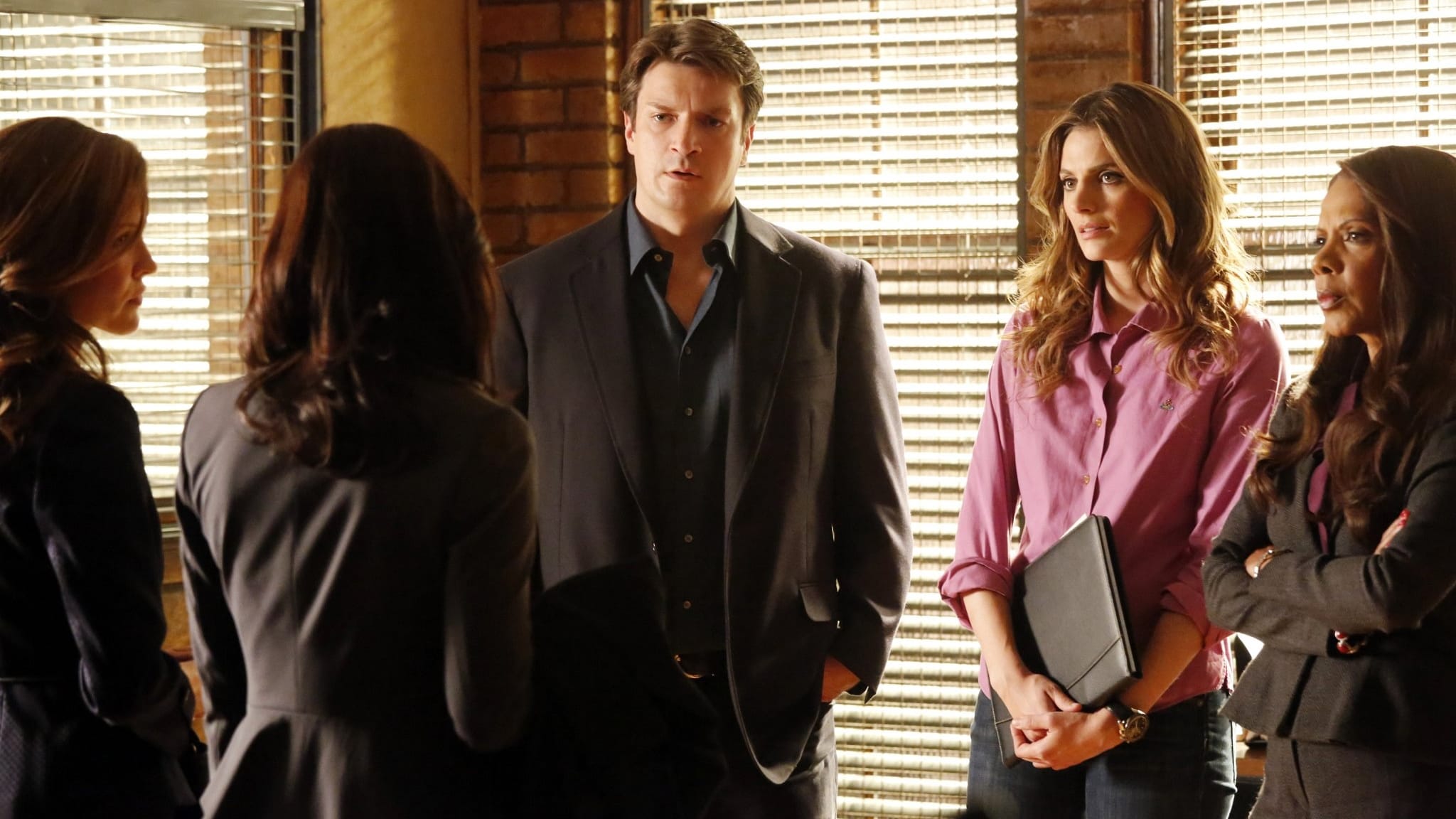
Themes That Drive the Season
Several themes shape the narrative and give it depth.
1. Intelligence as Power
The antagonist uses knowledge as a weapon. This forces the team to rely on strategy rather than strength.
2. Trust Within a Team
The team must rely on each other completely. Doubt can lead to mistakes, so communication becomes essential.
3. Control vs Chaos
The mastermind tries to control every outcome. However, the team introduces unpredictability. This conflict drives the story forward.
A Finale That Delivers
As the season approaches its conclusion, the stakes increase.
The team finally identifies the mastermind’s endgame. However, stopping it requires risk.
They must act quickly. They must trust their instincts. Most importantly, they must work together.
The final confrontation is not just physical. It is intellectual.
Castle uses his understanding of narrative structure to predict the final move. Beckett executes the plan with precision.
Together, they break the pattern and end the game.
Because of this, the finale feels satisfying and complete.
Why This Version Works
Castle Season 9: Deadly Game (2026) succeeds because it builds on the strengths of earlier seasons.
It brings back teamwork.
It restores balance between humor and tension.
It introduces a strong, consistent antagonist.
At the same time, it modernizes the storytelling.
The season-long arc keeps viewers engaged. The strategic elements add depth. The pacing supports both excitement and clarity.
Final Thoughts
This imagined Season 9 shows what Castle does best.
It combines smart writing with engaging characters. It creates tension without losing charm. It delivers a story that feels both entertaining and meaningful.
In the end, it reminds us why the series worked in the first place.
Not just because of the cases.
Not just because of the twists.
But because of the people solving them.
And when those people come together, even the most dangerous game can be won.