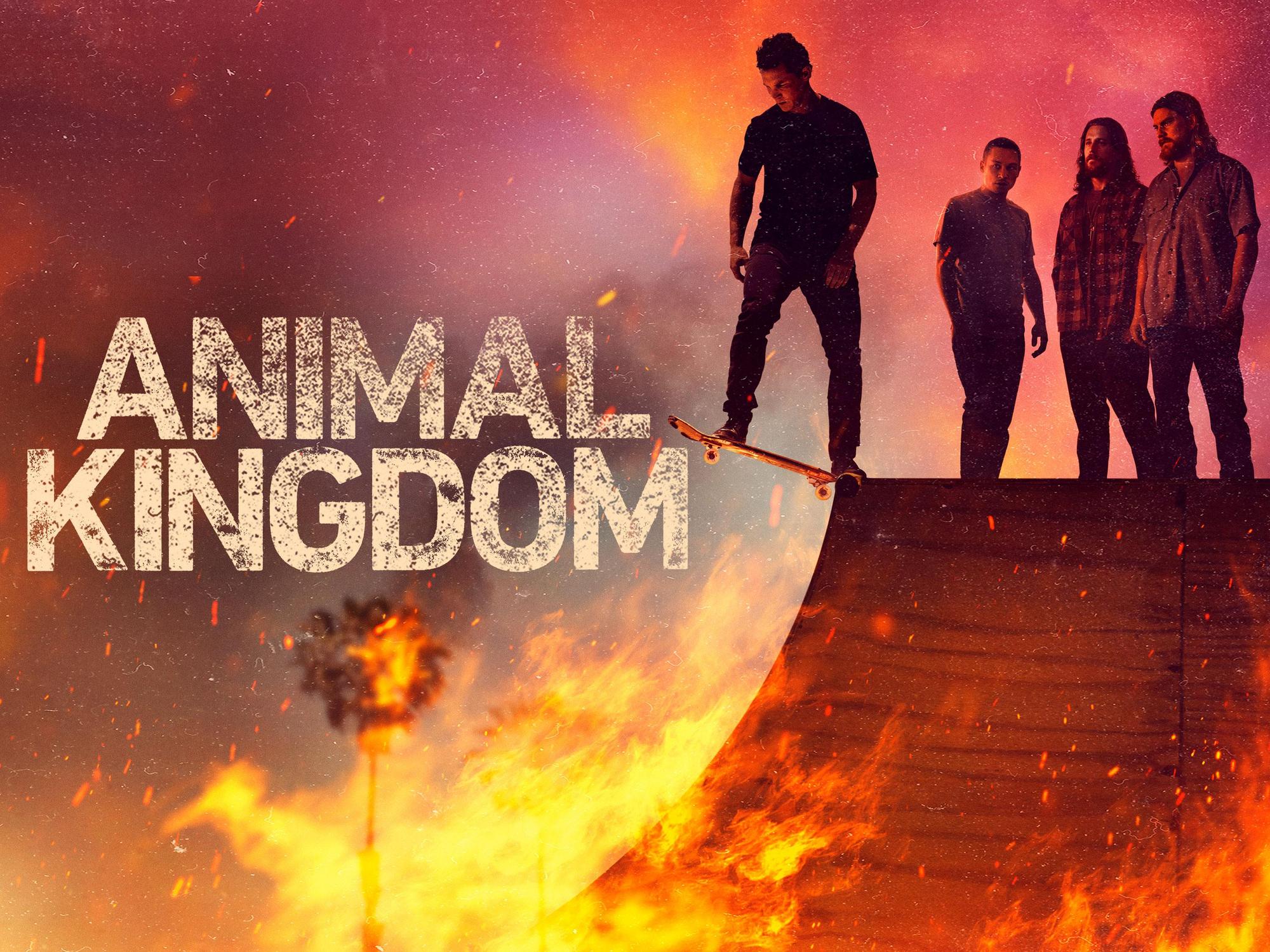
Every story must decide how it wants to end.
Some stories close with victory, while others finish with punishment. A few, however, end with hope.
Animal Kingdom: Last Tide chooses a different path. Instead of chasing shock or spectacle, the film ends with honesty.
This final chapter does not attempt to surprise the audience. Rather, it allows the story to reach its natural conclusion. After years of violence, manipulation, and escape, the Cody legacy fades not with noise, but with silence.
An Ending Without Illusion
By the time the film reaches its final act, there are no safe places left.
The central character understands this clearly. Skills that once ensured survival no longer offer protection. Likewise, habits that once created control now only expose exhaustion.
For this reason, the film slows down instead of accelerating. Scenes breathe. Moments stretch. As a result, the weight of time settles over every frame.
Endings, the film suggests, are not sudden events. They are long processes shaped by years of choices.
Eventually, the story ends simply because it cannot continue.

Rethinking Survival
Earlier chapters of Animal Kingdom treated survival as success. Whoever lasted the longest was considered the smartest. Whoever escaped was seen as the winner.
However, Last Tide challenges that belief.
Here, survival feels more like delay than triumph. Staying alive does not erase guilt; instead, it postpones accountability.
The central character finally recognizes this truth. Escaping his family’s collapse did not free him. Instead, it trapped him inside unresolved responsibility.
Importantly, this realization is quiet. There is no emotional explosion. No dramatic confession.
Instead, the understanding arrives slowly—and because of that, it feels authentic.

Responsibility Without Redemption
Notably, Last Tide refuses to offer easy redemption.
Understanding the truth does not lead to forgiveness. Acknowledging harm does not undo it. The film makes this distinction clear.
The character does not seek sympathy. Nor does he ask to be absolved.
Instead, he accepts that some damage is permanent.
This choice strengthens the film’s moral foundation. It respects the audience by refusing to soften its message. Crime leaves consequences, and time alone does not remove them.
Responsibility, therefore, is not about being saved. It is about preventing further harm.

The Ocean’s Final Meaning
Throughout the film, the ocean changes its meaning.
At first, it represents escape.
Later, it suggests inevitability.
Ultimately, it comes to symbolize acceptance.
In the final scenes, the ocean is calm. There are no storms or dramatic waves. The tide moves as it always has—steady and indifferent.
Through this imagery, the film delivers a quiet statement: the world does not need to punish the Cody family. Time has already done that.
The ocean does not judge. Instead, it continues.
The Last Choice
The final decision made by the central character is not about survival in the usual sense.
Rather, it is about presence.
For the first time, he chooses not to disappear. Running would extend the lie. Staying, however, allows the story to end honestly.
There is no reward for this choice. No celebration follows.
Yet, there is peace.
And in the world of Animal Kingdom, peace is rare.
Smurf’s Shadow, at Last
Although Smurf is absent, her influence remains.
She does not return through flashbacks or dialogue. Instead, she exists in consequences. Everything she built continues to echo.
Nevertheless, Last Tide makes one thing clear: her power was never eternal. Once fear fades, control collapses.
Ending the Cody story is not about defeating Smurf.
Instead, it is about refusing to repeat her.

A World That Barely Notices
One of the film’s most striking choices is how little attention the world gives to the Cody family’s end.
There are no headlines. No legends. No grand reactions.
Life moves on.
This perspective adds realism. The Cody family mattered deeply to themselves, but history has little interest in them. Their crimes were intense, yet ultimately small in the larger world.
Not every story becomes myth. Some end quietly—because that is all they were ever meant to be.
The Final Image
The closing image is simple.
A shoreline at dawn.
No dialogue follows. Music fades. The tide reaches the sand and pulls away again.
The camera lingers just long enough for the audience to breathe.
There is no promise of what comes next. No warning either.
Only the certainty that the story is complete.
Why Last Tide Matters
Animal Kingdom: Last Tide succeeds because it understands its purpose.
It is not a story about crime winning or losing.
It is not a story about loyalty.
Instead, it is a story about cycles—and the courage required to end them.
By choosing restraint over spectacle and truth over comfort, the film delivers a rare conclusion: one that feels earned.
Not explosive.
Not comforting.
But honest.
And sometimes, honesty is the strongest ending of all.