
How True Crime, Charm, and the Internet Create a Dangerous Illusion
In the modern media landscape, true-crime stories no longer stay within courtrooms or police files. Instead, they travel fast across screens, social platforms, and global conversations. Handsome Devil: Charming Killer (2026) enters this space with a clear purpose. Rather than turning crime into spectacle, the documentary examines how charm, appearance, and digital culture can distort moral judgment.
At first glance, the series seems like another true-crime success. However, beneath its clean structure and calm tone, the film carries a deeper message. It asks viewers to look not only at the criminal, but also at themselves.
Re-telling the Crime: Facts Without Sensation
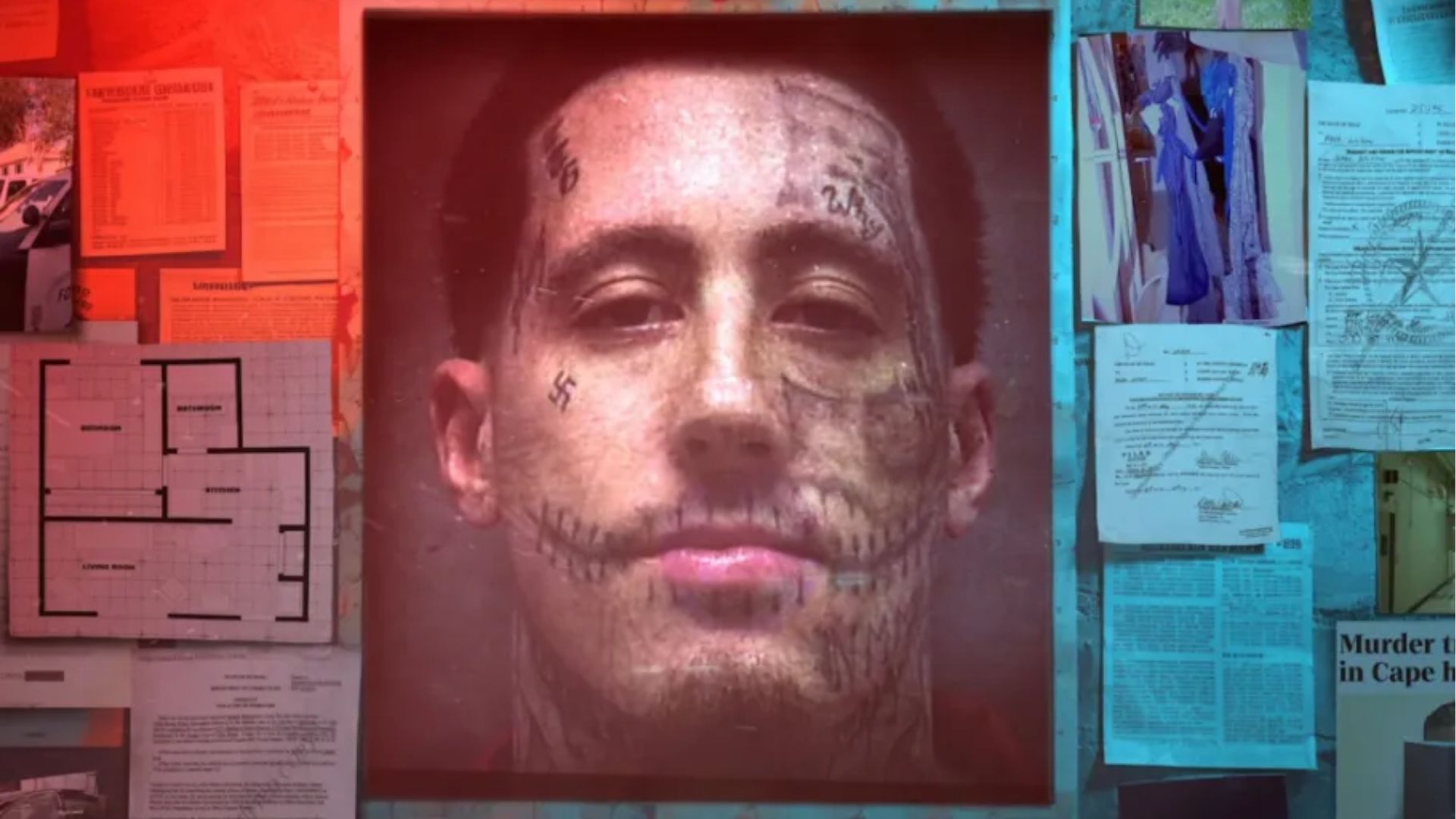
The documentary centers on the real case of Wade Steven Wilson, a man convicted of murdering two women in Florida in 2019. From the beginning, the filmmakers choose restraint. They avoid graphic images and dramatic language. Instead, they focus on facts, timelines, and verified evidence.
In the first episode, the film follows the investigation step by step. Police interviews, body-camera footage, and court records guide the narrative. As a result, viewers understand what happened without feeling manipulated. The documentary allows the truth to speak for itself.
Moreover, the pacing plays an important role. The story unfolds slowly, which mirrors the real process of investigation. Because of this approach, the audience remains focused on accountability rather than shock.
When the Story Changes Online
However, the case did not end with the arrest. Instead, it entered a new phase online.
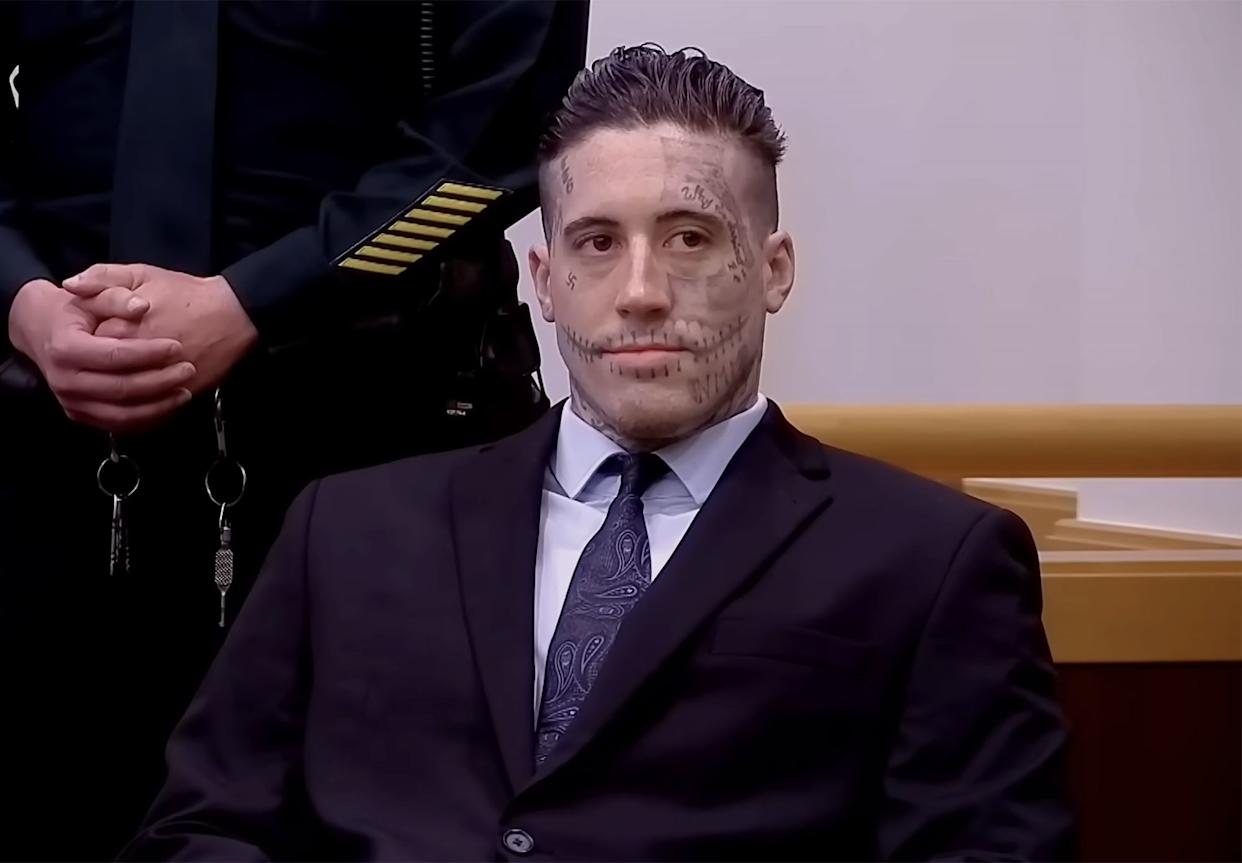
The second episode shifts attention to social media. After Wilson’s mugshots appeared online, users began sharing them widely. Surprisingly, many comments focused on his appearance rather than his crimes. Some users described him as “charming” or “misunderstood.” Others created fan pages and speculative stories.
At this point, the documentary expands beyond one criminal case. It becomes an analysis of digital behavior. Experts explain how algorithms reward emotional reactions, not ethical reflection. As a result, attention moves toward what feels interesting instead of what matters.
Importantly, the film does not blame social media alone. Instead, it shows how human psychology and technology work together. People feel curiosity. Platforms amplify it. Over time, fascination replaces judgment.
Psychology Behind the Attraction
Why does this happen? The documentary answers this question with clarity and care.
Psychologists explain that humans respond strongly to confidence and familiarity. When a criminal appears calm, attractive, or articulate, it creates confusion. The brain struggles to connect that image with violent acts. Consequently, some viewers begin to separate the crime from the person.
Furthermore, distance plays a key role. Watching events through screens removes emotional weight. When users see crime as content, they feel less responsibility. Over time, repetition turns tragedy into background noise.
The film presents these ideas in simple language. It avoids academic terms and keeps explanations accessible. Therefore, viewers from different backgrounds can understand the message.
Returning Focus to the Victims
At the same time, Handsome Devil: Charming Killer understands a critical responsibility: it must restore attention to the victims.
In the final episode, the series gives space to the families of the murdered women. They speak about loss, grief, and frustration. Most importantly, they describe the pain of seeing the man responsible gain online attention.
These moments feel raw and honest. The filmmakers avoid emotional music or dramatic editing. Instead, silence and pauses carry meaning. Because of this restraint, the impact feels genuine.
As a result, the documentary regains moral balance. It reminds viewers that every viral story has real consequences.
Measuring the Documentary’s Success
From a filmmaking perspective, the documentary succeeds on multiple levels.
First, its structure remains clear and focused. Each episode builds logically on the previous one. The story moves from crime, to reaction, to consequence. Therefore, viewers never feel lost.
Second, the tone stays controlled. The film refuses to glorify violence or personality. Instead, it exposes how easily glorification happens elsewhere.
Third, the documentary resonates because it speaks directly to modern audiences. In an age of short videos and fast reactions, it asks viewers to slow down and reflect.
As a result, the series became viral not because it entertained, but because it challenged.

The Ethical Tension of True Crime
Nevertheless, the film also faces a difficult question: can a documentary criticize attention culture while still benefiting from it?
The series does not avoid this issue. In fact, it acknowledges the contradiction. By discussing Wilson’s online fame, the film inevitably extends his visibility. However, the filmmakers limit this risk by refusing speculation and emotional manipulation.
They do not present Wilson as complex or mysterious. Instead, they present consequences, facts, and harm. Therefore, the focus remains educational rather than exploitative.
This awareness separates Handsome Devil: Charming Killer from many other true-crime productions.
A Reflection on Modern Media
Ultimately, this documentary works as a mirror. It reflects how society consumes crime, how algorithms shape attention, and how charm can distract from truth.
The film does not offer simple solutions. Instead, it asks important questions. Why do we watch? Why do we share? And at what point does curiosity become harm?
Because of these questions, the documentary stays with viewers long after it ends.
Conclusion: More Than a True-Crime Series
Handsome Devil: Charming Killer is not about celebrating criminals or revisiting violence. Instead, it examines how modern culture reacts to crime in the digital age.
Through careful storytelling, active narration, and ethical restraint, the documentary achieves something rare. It informs without exploiting. It challenges without accusing.
Finally, the series reminds us that attention is powerful. How we use it matters.
In a world where true crime often becomes entertainment, Handsome Devil: Charming Killer stands as a warning — and a necessary one.