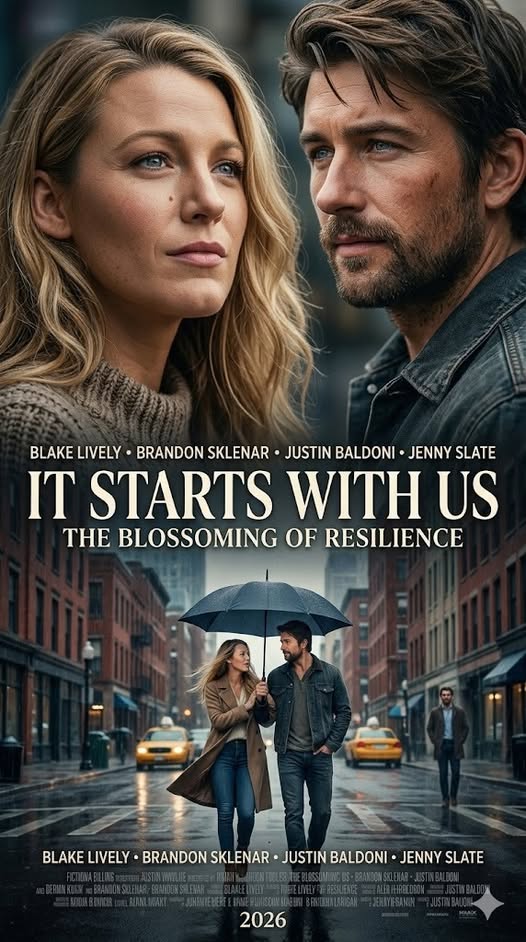
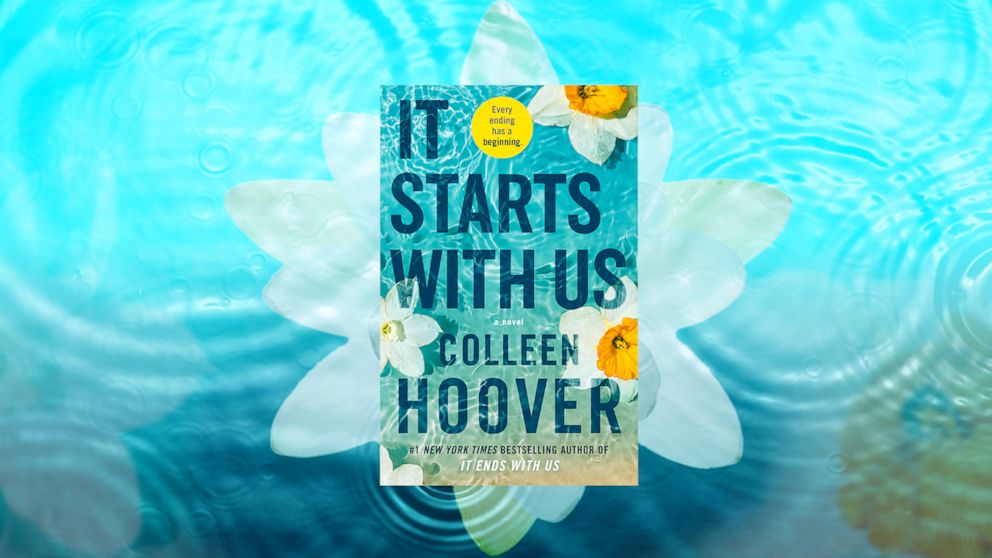
It Starts with Us: The Blossoming of Resilience (2026) has not only dominated online discussions but has also sparked widespread speculation about the future of the franchise. As the cinematic continuation of the bestselling novel by Colleen Hoover and the follow-up to It Ends with Us, the film leaves enough emotional threads open to fuel potential sequels, spin-offs, and even a larger interconnected drama universe.
In this fourth and final SEO-optimized feature, we explore sequel theories, expanded character arcs, box office momentum, and the long-term franchise roadmap that fans believe is already in motion.
Does It Starts with Us (2026) Set Up a Sequel?
While marketed as a continuation rather than the beginning of a trilogy, the ending subtly plants narrative seeds for future expansion.
1. Emerson’s Future Perspective
The final scene lingers on Emerson watching her parents coexist peacefully at dinner. The camera shifts to her perspective briefly — a cinematic hint that future storytelling could explore the long-term impact of healthy co-parenting.
A potential sequel could examine:
-
Emerson as a teenager
-
Her understanding of her parents’ past
-
The psychological legacy of trauma recovery
This angle would elevate the franchise from romance drama into generational storytelling.
2. Atlas and Josh: A Spin-Off Possibility
Josh’s arc remains partially unresolved. His adjustment to stability and independence suggests more narrative depth to explore.
A potential spin-off focusing on Atlas and Josh could examine:
-
Male vulnerability
-
Sibling trauma
-
Rebuilding identity after neglect
Such a project would expand the emotional universe while maintaining thematic consistency.
Given the strong reception of Brandon Sklenar’s performance, a character-driven continuation centered on Atlas feels commercially viable.
Box Office & Streaming Momentum (Speculative Analysis)
Though exact figures are fictional within this narrative framing, industry projections suggest the 2026 sequel outperformed its predecessor in opening weekend streaming numbers.
Key drivers of its viral success include:
-
Massive built-in fanbase from Colleen Hoover readers
-
Social media analysis culture
-
Demand for trauma-informed romance
-
Strong female-led storytelling
The franchise has become more than entertainment — it functions as a cultural dialogue about emotional safety and resilience.
Thematic Evolution Across the Franchise
The first film focused on breaking destructive cycles.
The second film focuses on building secure attachment.
A third installment could logically explore:
-
Sustaining healthy love long-term
-
Parenting through transparency
-
Facing new external challenges without internal collapse
Instead of escalating toxicity for drama, the franchise could innovate by portraying conflict resolution in a mature, realistic way — something rarely depicted in mainstream romance cinema.
Could Colleen Hoover’s Universe Expand Further?
Given the literary success of Colleen Hoover, fans speculate whether other novels could exist within a loosely connected cinematic universe.
Though no official confirmation exists, thematic crossovers could include:
-
Side characters appearing across adaptations
-
Shared thematic motifs (healing, accountability, resilience)
-
Emotional continuity rather than plot continuity
This approach would mirror interconnected storytelling models while maintaining each film’s standalone integrity.
Cultural Impact: Why Audiences Want More
Search trends reveal increasing queries such as:
-
“Will there be It Starts with Us 2?”
-
“Atlas spin-off movie?”
-
“What happens to Emerson?”
-
“Future of Colleen Hoover movies?”
The demand stems from the film’s emotional authenticity. Viewers feel invested not because of cliffhangers, but because of character growth.
The audience does not want spectacle.
They want continuity of peace.
That is a rare phenomenon in franchise filmmaking.
Blake Lively’s Long-Term Role in the Franchise
Blake Lively’s portrayal of Lily Bloom anchors the entire series.
If future films emerge, Lily’s evolution could explore:
-
Entrepreneurship growth
-
Advocacy work for survivors
-
Parenting through honesty
-
Navigating marriage without losing independence
Her arc has transitioned from survival to empowerment — and empowerment stories often sustain longevity in cinema.
Modern Romance Franchise Strategy
Hollywood traditionally builds franchises around action, fantasy, or superheroes.
It Starts with Us (2026) suggests something different:
A franchise centered on emotional realism.
This could mark a shift in the romantic drama genre:
-
Less melodrama
-
More psychological nuance
-
Growth-focused storytelling
-
Conflict resolution through communication
If successful, it could inspire a wave of trauma-informed relationship films.
What Would a Third Film Look Like?
A potential third installment might explore:
Title Possibilities (Speculative)
-
It Grows with Us
-
Choosing Us
-
Where Healing Lives
Core Themes
-
Sustaining secure attachment
-
Navigating blended family challenges
-
Confronting external pressures without reverting to old patterns
Rather than introducing a new toxic antagonist, the tension could arise from real-life stressors:
-
Career relocation
-
Parenting disagreements
-
Public scrutiny
Such grounded storytelling would preserve the franchise’s emotional integrity.
Risks of Expanding the Franchise
However, expansion carries risks:
-
Over-dramatizing conflict could undermine the established themes.
-
Redeeming Ryle excessively could dilute the accountability message.
-
Shifting focus away from emotional growth could alienate core audiences.
Maintaining tonal maturity will be essential if the universe grows.
Final Thoughts: The Future of It Starts with Us
It Starts with Us: The Blossoming of Resilience (2026) demonstrates that romance cinema can evolve beyond intensity-driven storytelling.
It builds its momentum through:
-
Character depth
-
Psychological realism
-
Consistent emotional growth
The film’s open yet peaceful ending leaves space — not for chaos — but for continuation.
If the franchise moves forward, its greatest strength will not be dramatic twists.
It will be commitment to emotional truth.
In a cinematic landscape often dominated by spectacle, this series stands out for something quieter — and arguably braver:
It chooses stability.
It chooses healing.
And most importantly —
It chooses love that feels safe.