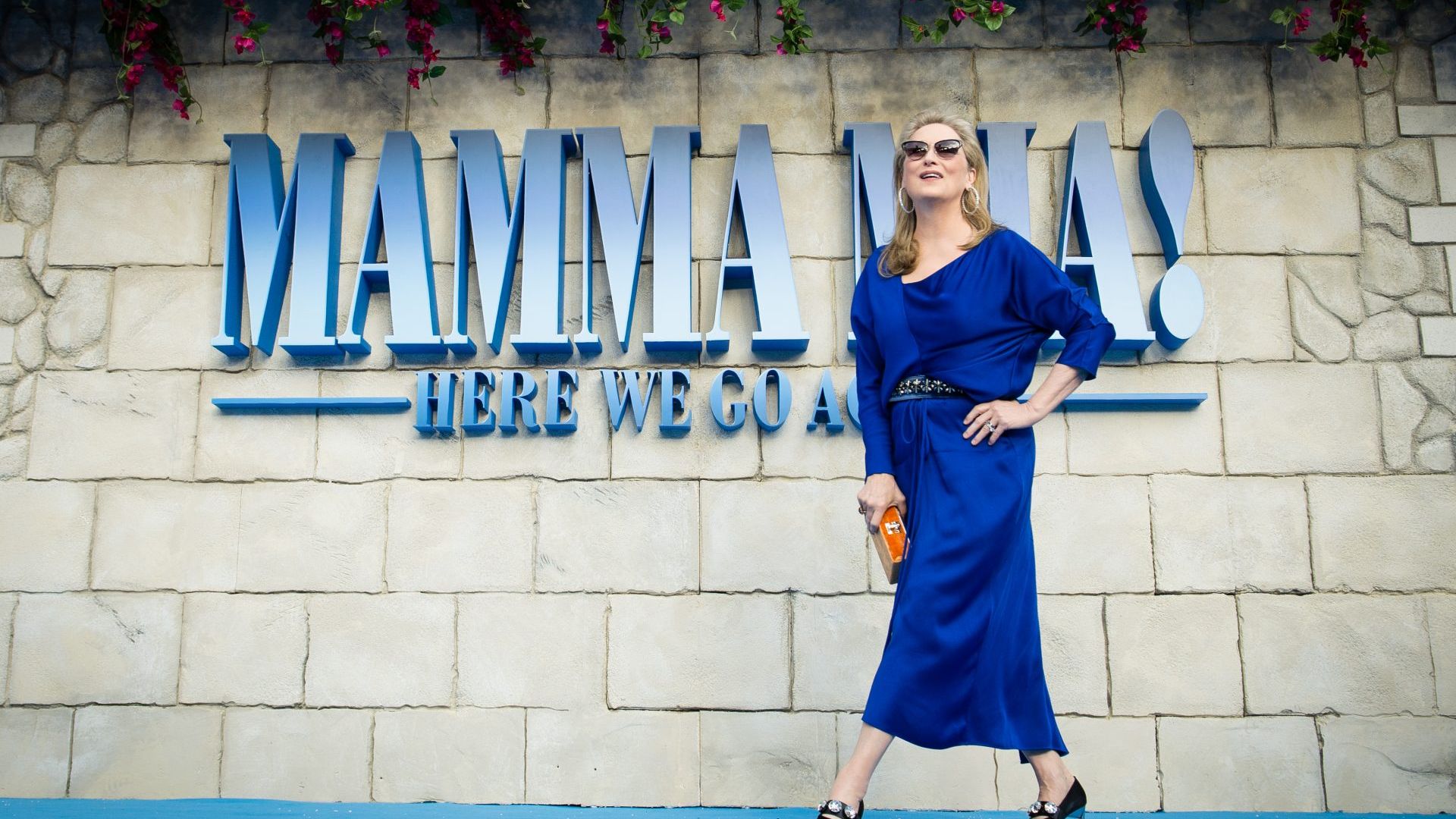
Every story deserves an ending that understands why it began. Mamma Mia! 3 respects that idea with care and patience. Instead of chasing spectacle, the film chooses something quieter and more lasting. This final chapter unfolds during one last summer on Kalokairi, shaped by memory, gratitude, and gentle acceptance.
Rather than feeling like an ending filled with loss, the film presents goodbye as a natural part of love.
A Summer That Feels Different
Kalokairi has welcomed many summers before. Each season brought music, laughter, and romance. This time, however, something feels different beneath the sunlight.
Joy still exists, yet awareness follows closely behind it. Sophie prepares for a decision that will change her future. Friends return not out of habit, but out of intention. Familiar places feel warmer, but also more fragile.
As a result, the film invites the audience to slow down. Moments are given space. Silence matters just as much as sound. Time no longer feels endless. Instead, it feels valuable.
Music as a Shared Memory
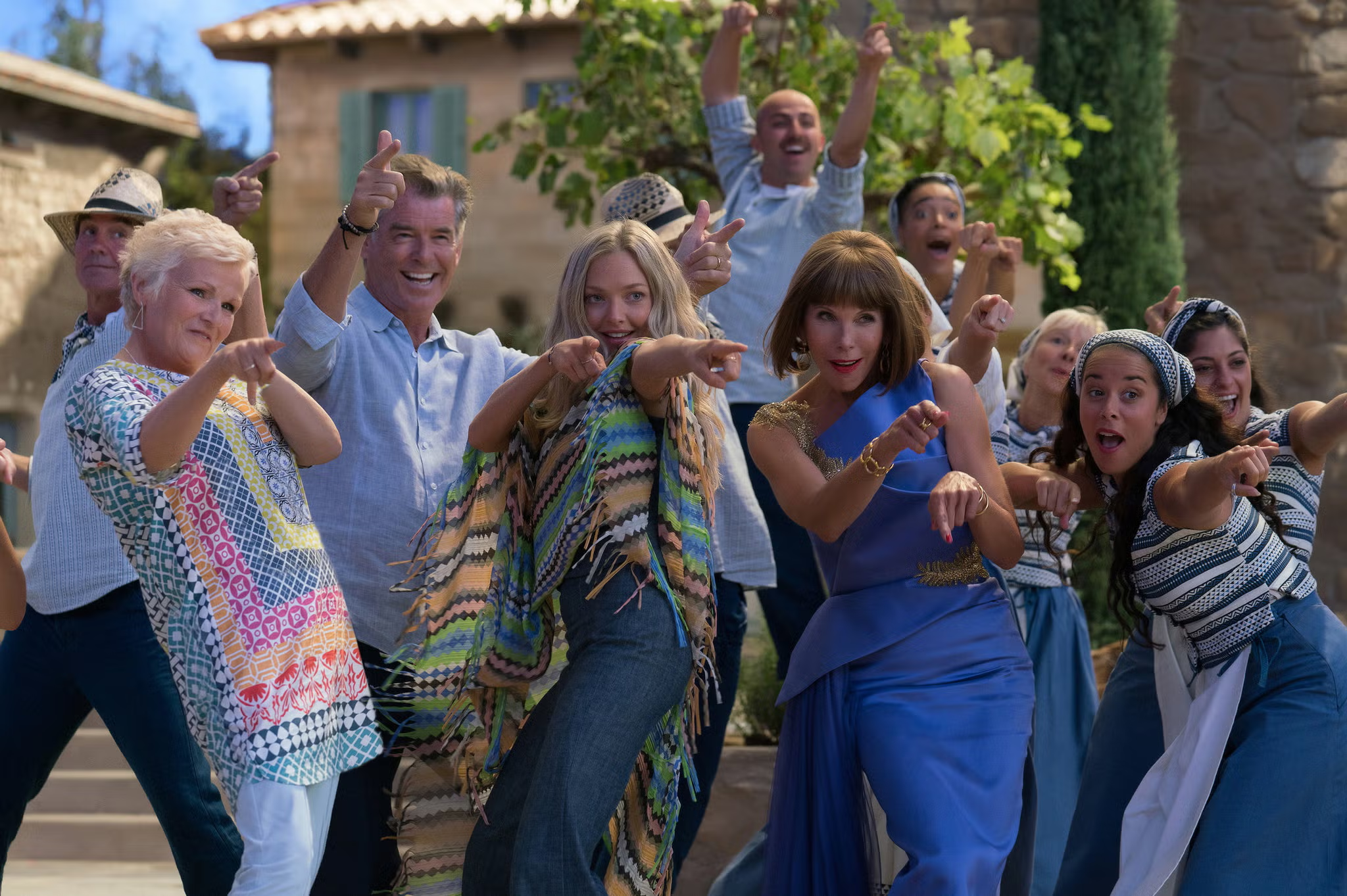
Throughout Mamma Mia! 3, music becomes more than celebration. It becomes memory itself.
Classic ABBA songs return, yet they carry new meaning. Lyrics once filled with youthful excitement now feel reflective. Meanwhile, melodies that once signaled romance now suggest gratitude and understanding.
Because the characters have aged, the music has aged with them. Older voices carry experience. Younger voices discover meaning where they least expect it. Therefore, each song becomes a bridge between generations.
Music remembers what people sometimes forget.
One Last Gathering on Kalokairi
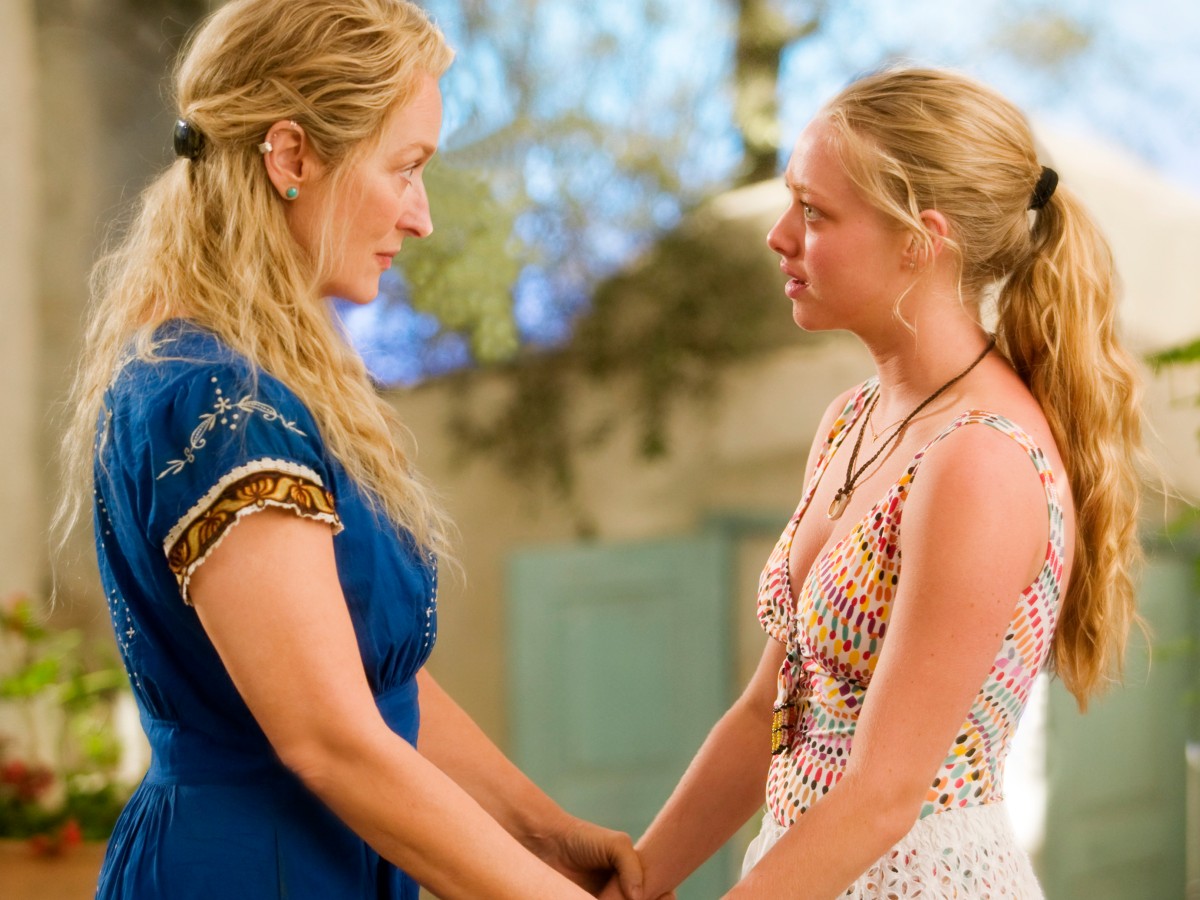
As the story moves forward, Kalokairi hosts one final gathering. Friends arrive from different places, carrying stories shaped by time. Laughter fills the air, although it no longer tries to cover fear or uncertainty.
Importantly, this celebration does not attempt to recreate the past. Instead, it honors it. Conversations feel slower. Gestures feel more sincere. No one rushes to impress.
Donna’s presence lives quietly in these moments. Her influence appears not as sadness, but as strength. In this way, the gathering becomes the emotional center of the film.
Sophie’s Choice, Made with Calm
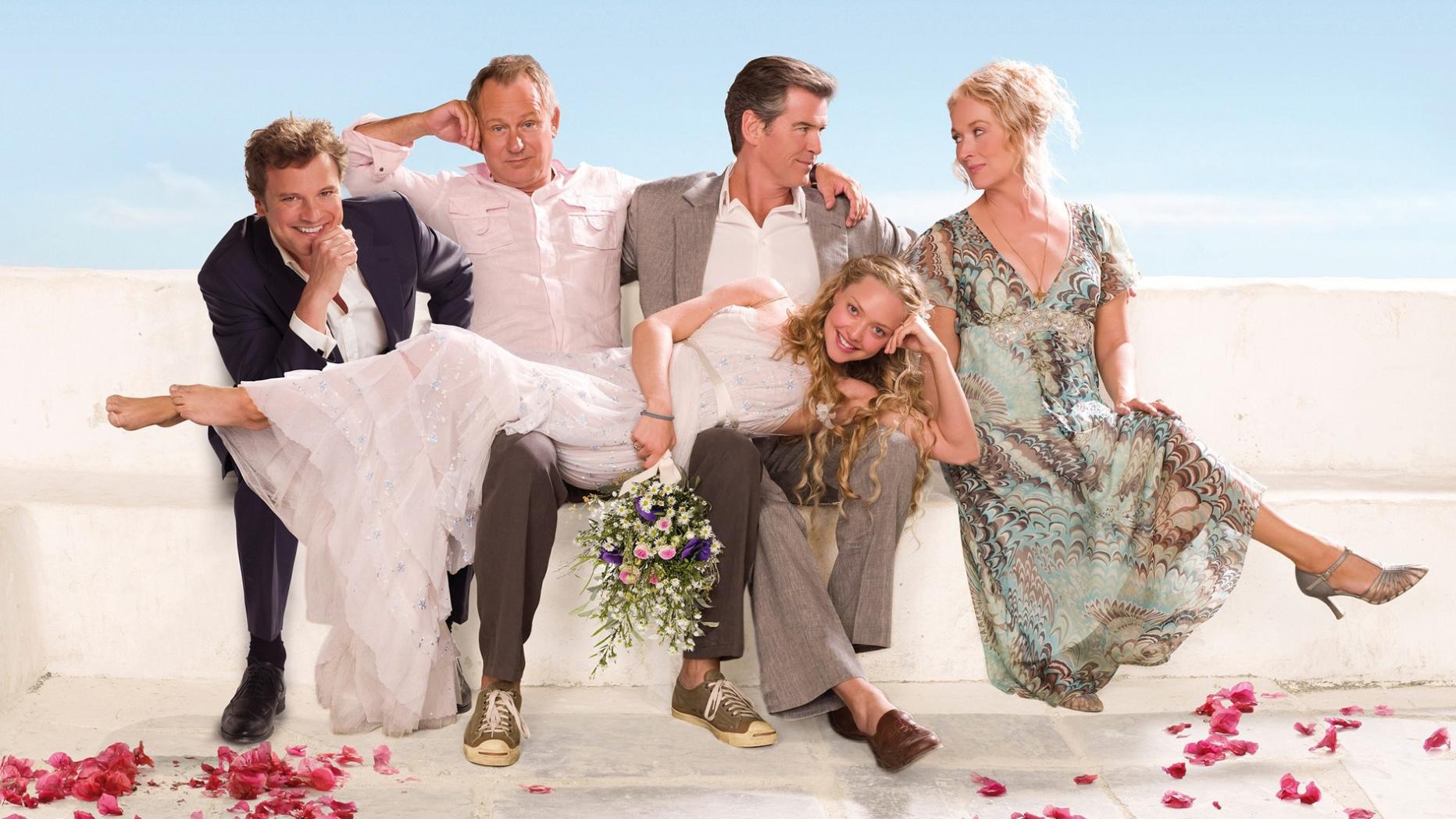
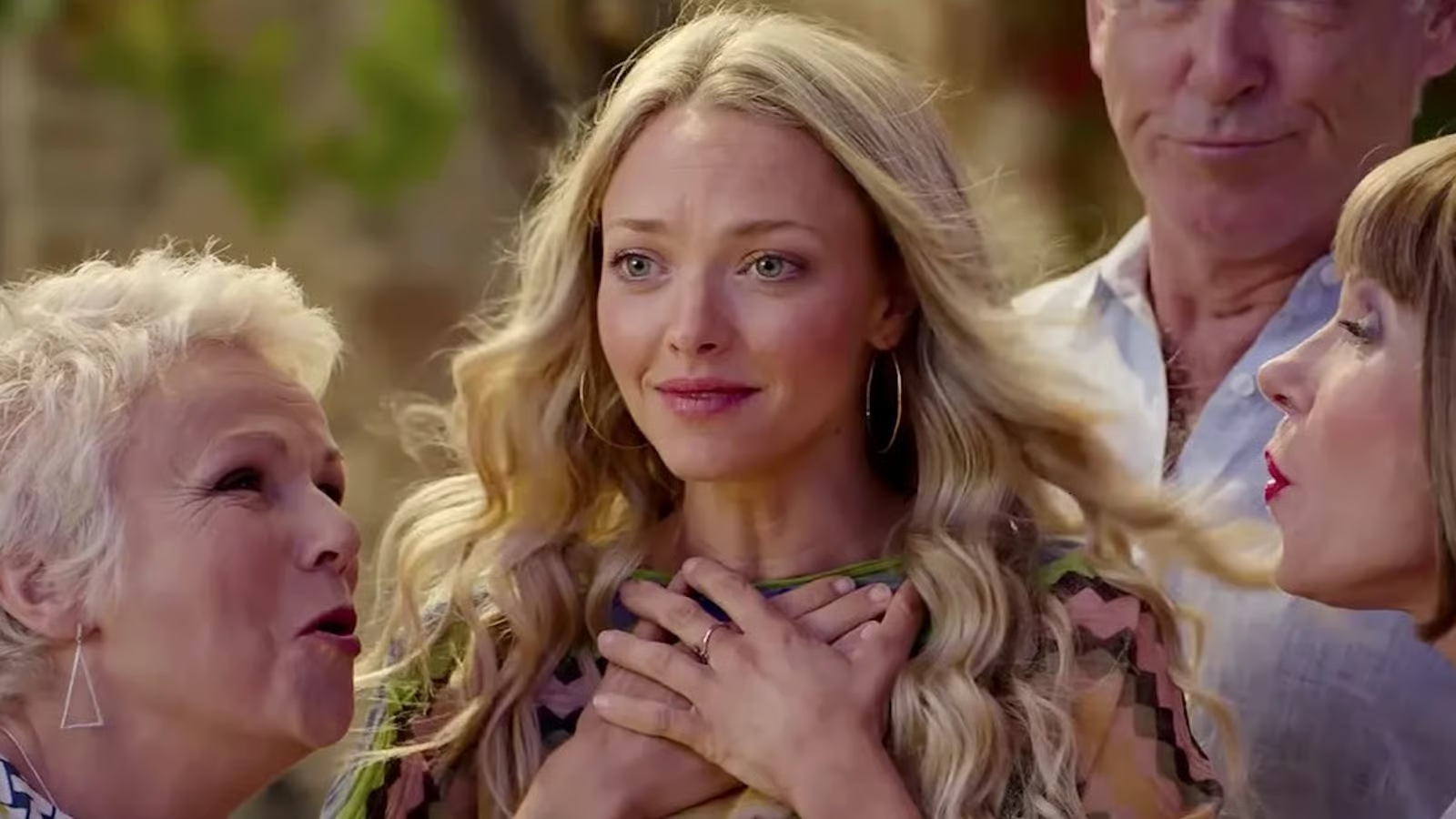
At the heart of the final summer stands Sophie. Her decision no longer feels urgent or overwhelming. Through reflection and connection, she has learned what truly matters.
At first, Sophie feared that leaving Kalokairi meant losing it forever. Over time, however, she understands that home does not disappear when you walk away. Instead, it becomes something you carry with you.
For this reason, her choice arrives gently. There is no dramatic speech. There is no emotional explosion. Amanda Seyfried plays the moment with restraint, allowing calm confidence to replace doubt.
The film respects that quiet strength.
Donna’s Final Gift
Donna’s final message reaches Sophie not as instruction, but as reassurance. Through a discovered recording and a shared song, Donna offers her daughter freedom.
She does not ask Sophie to stay. She does not ask her to leave. Instead, she gives permission—to live honestly, to take risks, and to trust herself.
Meryl Streep’s presence remains subtle but powerful. Her voice carries warmth, humor, and clarity. As a result, Donna’s love feels alive rather than distant.
This moment becomes one of the film’s most emotional scenes, not because it is loud, but because it is true.
Saying Goodbye Without Losing Love
As summer slowly fades, goodbyes begin across the island. These farewells are not rushed. They are allowed to breathe.
Friends promise to return, knowing life may change those plans. Parents hold their children longer than usual. Partners exchange looks filled with shared history.
Importantly, the film avoids dramatic finality. Instead, it treats goodbye as an act of respect. Letting go becomes a form of love rather than loss.
Because of this approach, the ending feels honest and deeply human.
Kalokairi at Rest
In the final moments, Kalokairi grows quiet. Music softens. Crowds disappear. What remains is stillness.
Yet the island does not feel empty. It feels complete.
The camera lingers on familiar locations one last time. Each space holds memory, although none feel trapped by it. Kalokairi stands ready, just as it always has, for new stories and new lives.
Ultimately, the island reminds us that places endure even as people move forward.
Growing Older with the Audience
Mamma Mia! 3 understands that its audience has grown older. Life has changed. Perspectives have deepened.
Therefore, the film does not offer escape. Instead, it offers reflection. Joy exists alongside time. Nostalgia appears without control.
This balance gives the final chapter emotional credibility. The story does not cling to youth. It honors maturity.
The Last Song
The final musical number does not aim to impress. It aims to connect.
Voices join together naturally, without perfection. The song feels shared rather than performed. Gratitude flows through every note.
As the music fades, the audience understands something clearly: this is not the end of the spirit of Mamma Mia!. It is simply the end of this chapter.
The songs remain. The love remains.
Conclusion: Forever in the Music
Mamma Mia! 3 (2026) closes its story with confidence and care. Instead of trying to be louder than before, it chooses to be wiser.
Through one final summer, the film reminds us why this saga mattered. It believed in love without perfection. It trusted music to speak truth. It understood that family is built through choice.
The island gave them love.
The music gave them forever.
And as the screen fades to light, the audience leaves not with sadness, but with gratitude—ready to carry the songs forward.