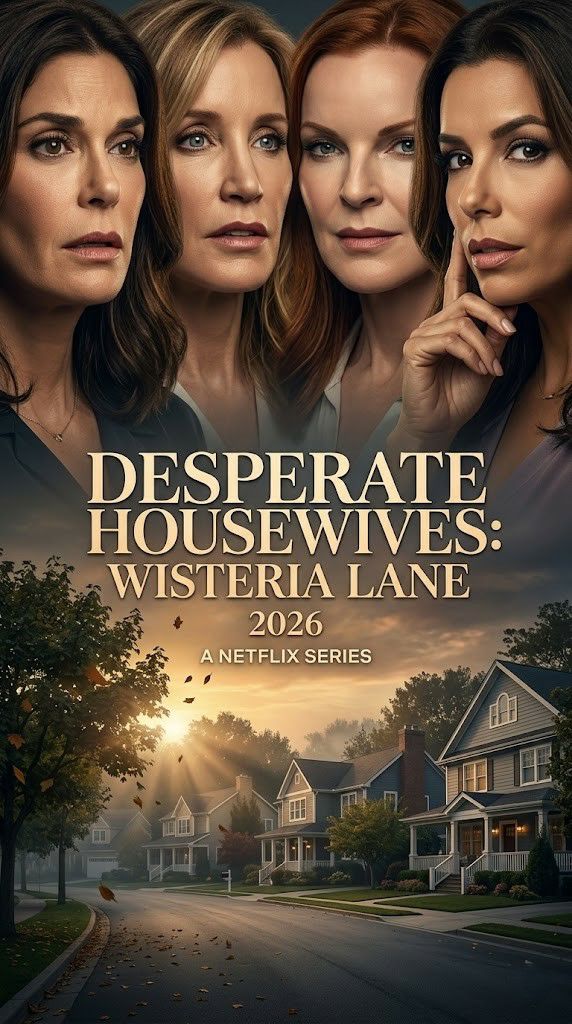
In an era where privacy is increasingly performative and perfection is algorithmically curated, the return of Wisteria Lane feels less like nostalgia—and more like inevitability.
The upcoming reboot of Desperate Housewives, currently titled “Wisteria Lane,” is not simply revisiting a familiar address. It is stepping into a world where secrets don’t stay buried—they trend.
Developed under Onyx Collective with 20th Television, the project is quietly positioning itself as one of the most intriguing reinventions of a legacy TV property in recent years. And yet, what makes it compelling isn’t what it brings back—but what it chooses to leave behind.
Reinvention Over Resurrection
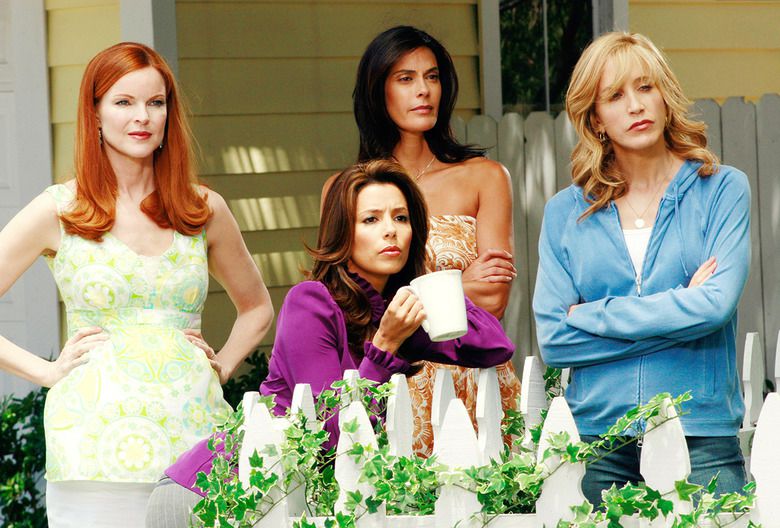
From the outset, “Wisteria Lane” has drawn a clear line: this is not Season 9.
There are no confirmed returns for legacy characters. No continuation of unresolved arcs. No attempt to recreate the exact rhythm that once defined the show’s golden years.
Instead, the reboot operates on a different philosophy—that the original’s premise is timeless, but its execution must evolve.
The original Desperate Housewives thrived on contradiction: immaculate homes masking emotional decay, friendly smiles concealing rivalry, and domestic routine punctuated by shocking revelations.
But in 2026, those contradictions look different. Today’s suburban façade isn’t just maintained in real life—it’s broadcast, filtered, and monetized online.
“Wisteria Lane” is expected to lean into that shift.
The Algorithm as Antagonist
If the original series used narration and nonlinear storytelling to expose hidden truths, the reboot may find its narrative engine in something far more contemporary: digital visibility.
Imagine a neighborhood group chat that becomes a battlefield.
A viral post that destroys a marriage overnight.
A perfectly edited Instagram feed that conceals financial collapse, betrayal—or worse.
In this version of Wisteria Lane, the question is no longer “What are they hiding?”
It becomes:
“What are they choosing to show—and why?”
This shift reflects a broader transformation in how audiences consume drama. The modern viewer is not just interested in secrets—they are fascinated by the performance of normalcy.
A New Creative Identity
At the center of this reinvention is Kerry Washington, whose involvement signals a deliberate tonal recalibration. Known for her work on politically charged and character-driven narratives, Washington brings a sensibility that could push the series into more layered territory.
With Natalie Chaidez handling writing duties, the project also gains a voice familiar with blending suspense and emotional complexity—key ingredients for a modernized suburban mystery.
Together, they represent a departure from the original’s voice, without abandoning its core appeal.
The Risk of Legacy
Reboots carry a unique burden: they must satisfy two audiences that often want opposite things.
-
Longtime fans expect familiarity, tone, and emotional continuity.
-
New viewers demand relevance, pace, and authenticity.
“Wisteria Lane” appears to be choosing the latter—at least initially.
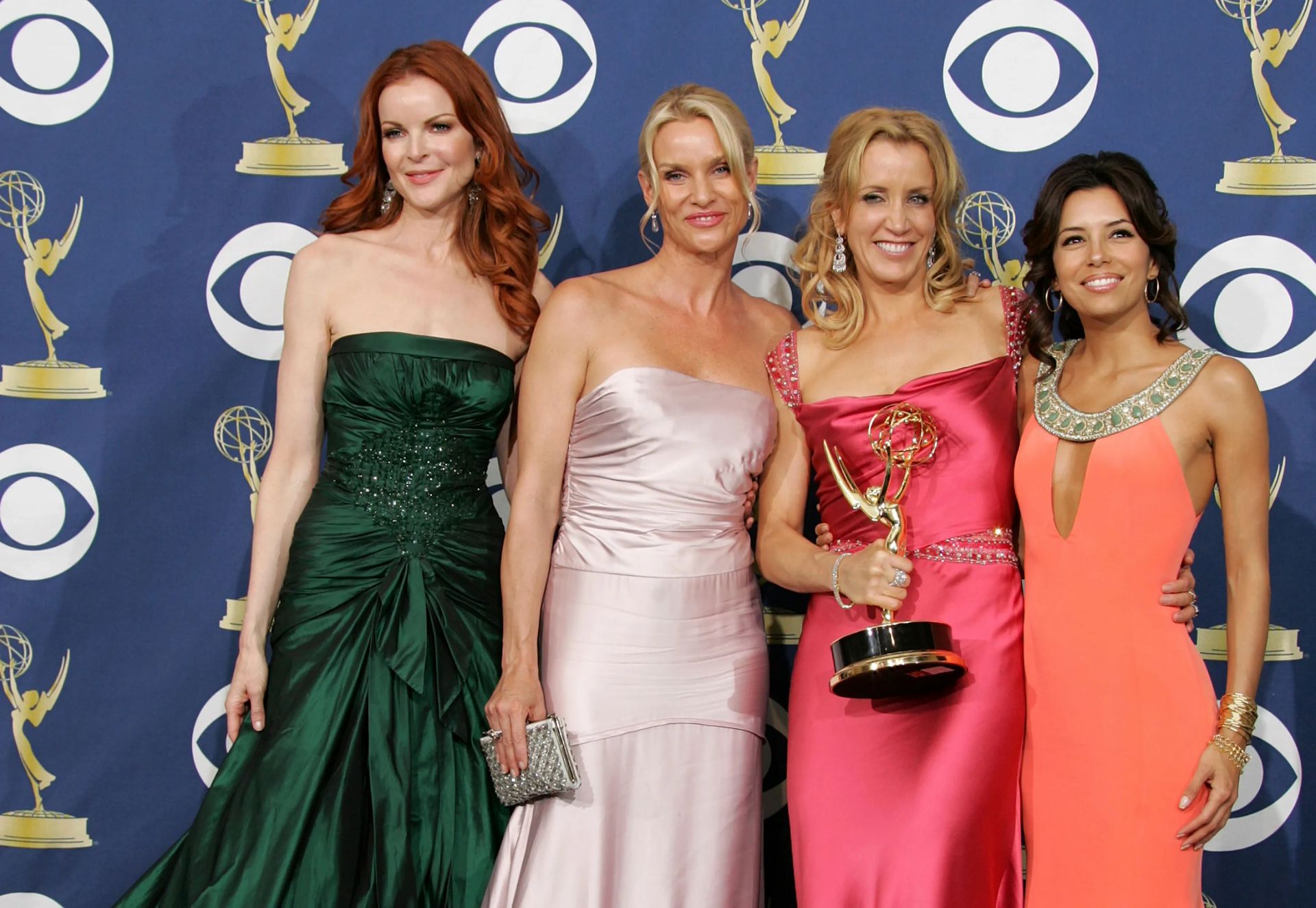
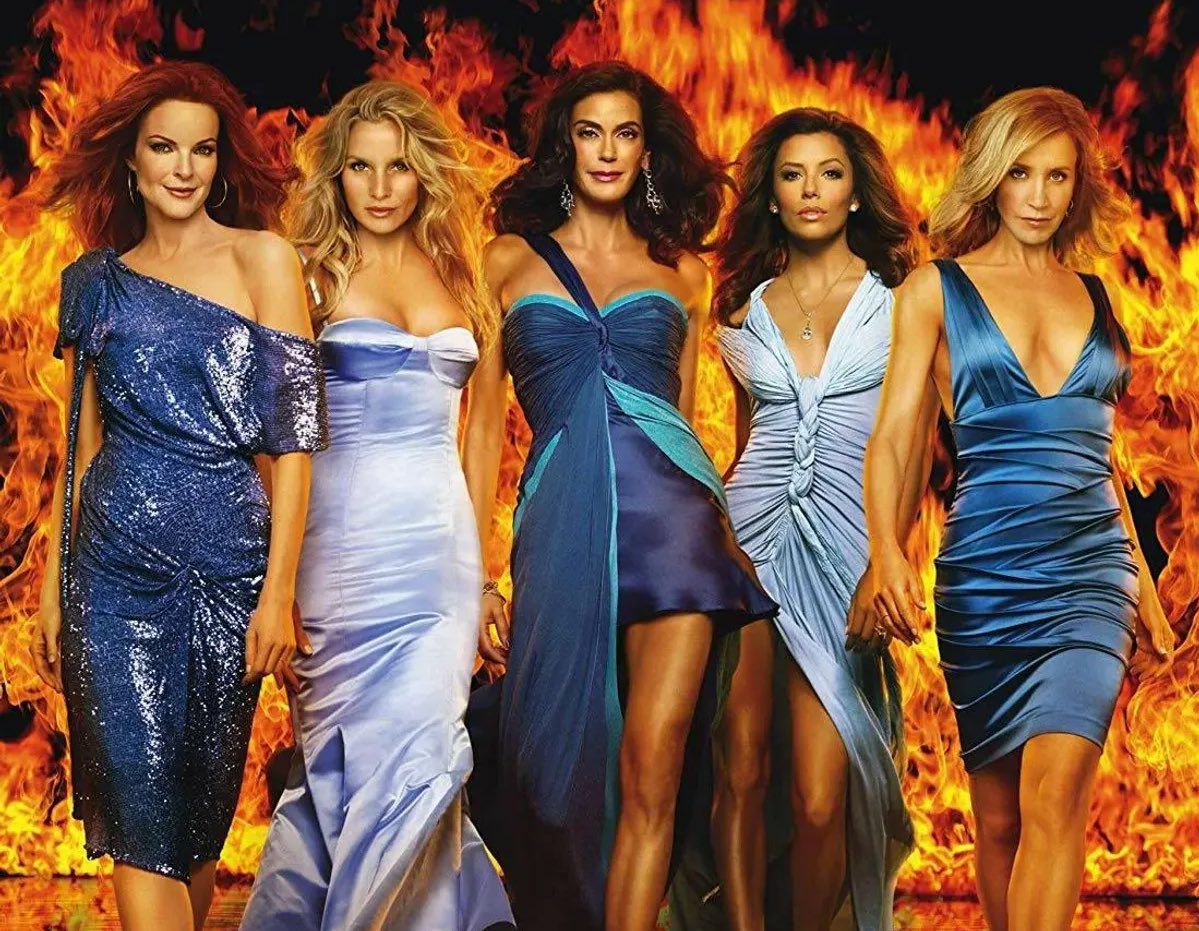
By distancing itself from original characters like those played by Eva Longoria or Teri Hatcher, the show avoids direct comparison. But it also forfeits the immediate emotional investment those characters carry.
It’s a gamble.
But it may be the only way to ensure the series stands on its own.
Suburbia as a Psychological Landscape
What made Desperate Housewives resonate wasn’t just its twists—it was its understanding of suburbia as a pressure cooker.
Behind every polished exterior was a character struggling with identity, control, or dissatisfaction.
The reboot has the opportunity to deepen that exploration.
Modern suburbia is no longer defined solely by domestic roles—it is shaped by:
-
Economic anxiety
-
Evolving gender expectations
-
Cultural diversity
-
The constant presence of digital scrutiny
In this context, Wisteria Lane is not just a setting—it becomes a microcosm of contemporary life.
Waiting for the Doors to Open
For now, the project remains in development, with no confirmed premiere date. The rumored “2026” release window continues to circulate, but without official backing.
And yet, anticipation is already building—not because of what has been revealed, but because of what hasn’t.
There are no trailers.
No casting announcements.
No definitive plot details.
Just a name. A street. And the promise that behind those closed doors, something is waiting.
Final Word
“Wisteria Lane” is not trying to recreate the past.
It is asking whether the idea of Desperate Housewives—the illusion of perfection, the weight of secrets, the fragility of identity—can survive in a world where nothing is truly hidden anymore.
If it succeeds, the series won’t just revive a franchise.
It will redefine it.